The red-capped bolete that was everywhere
Boletaceae Family
 #4827
#4827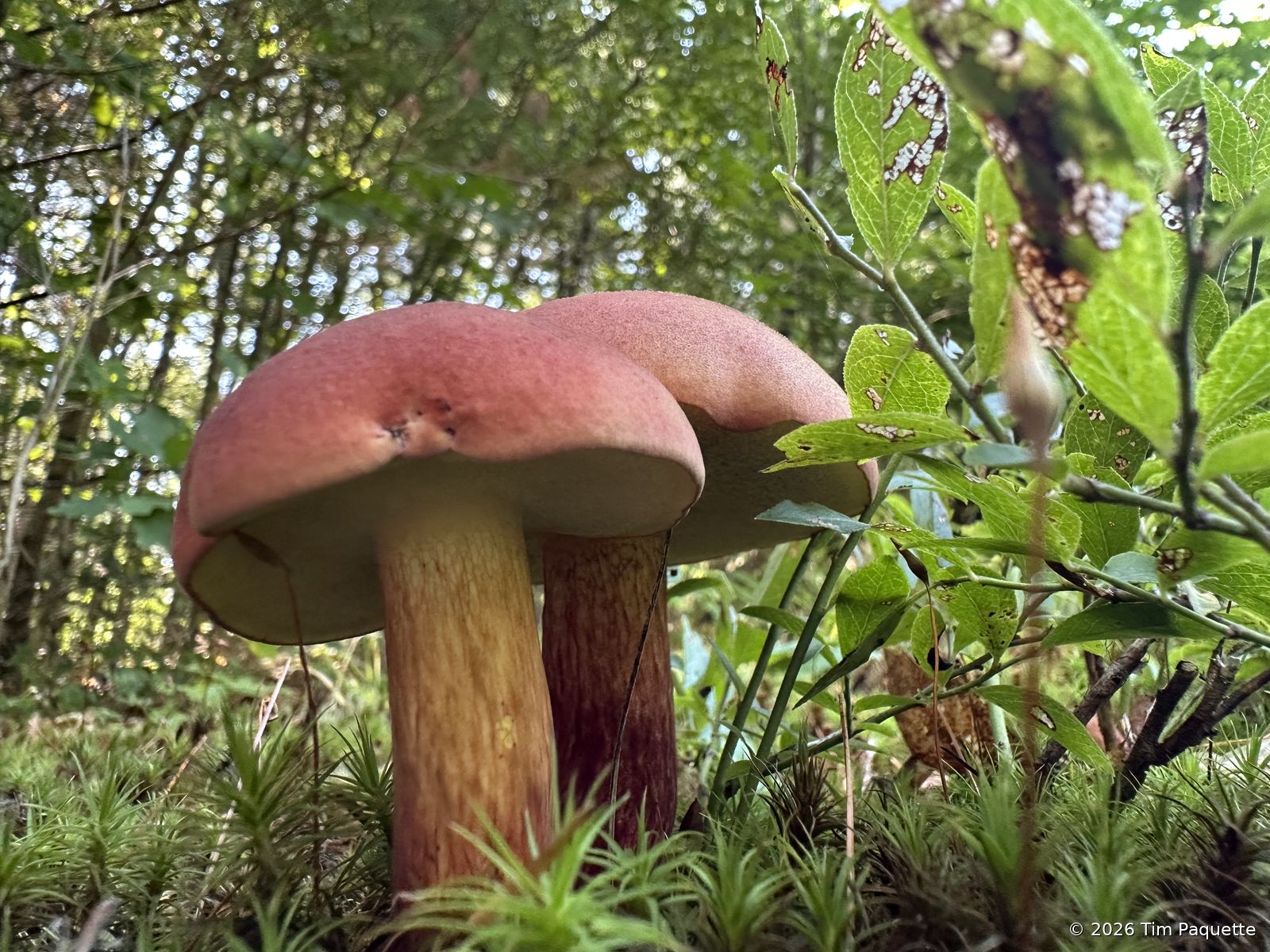 #4828
#4828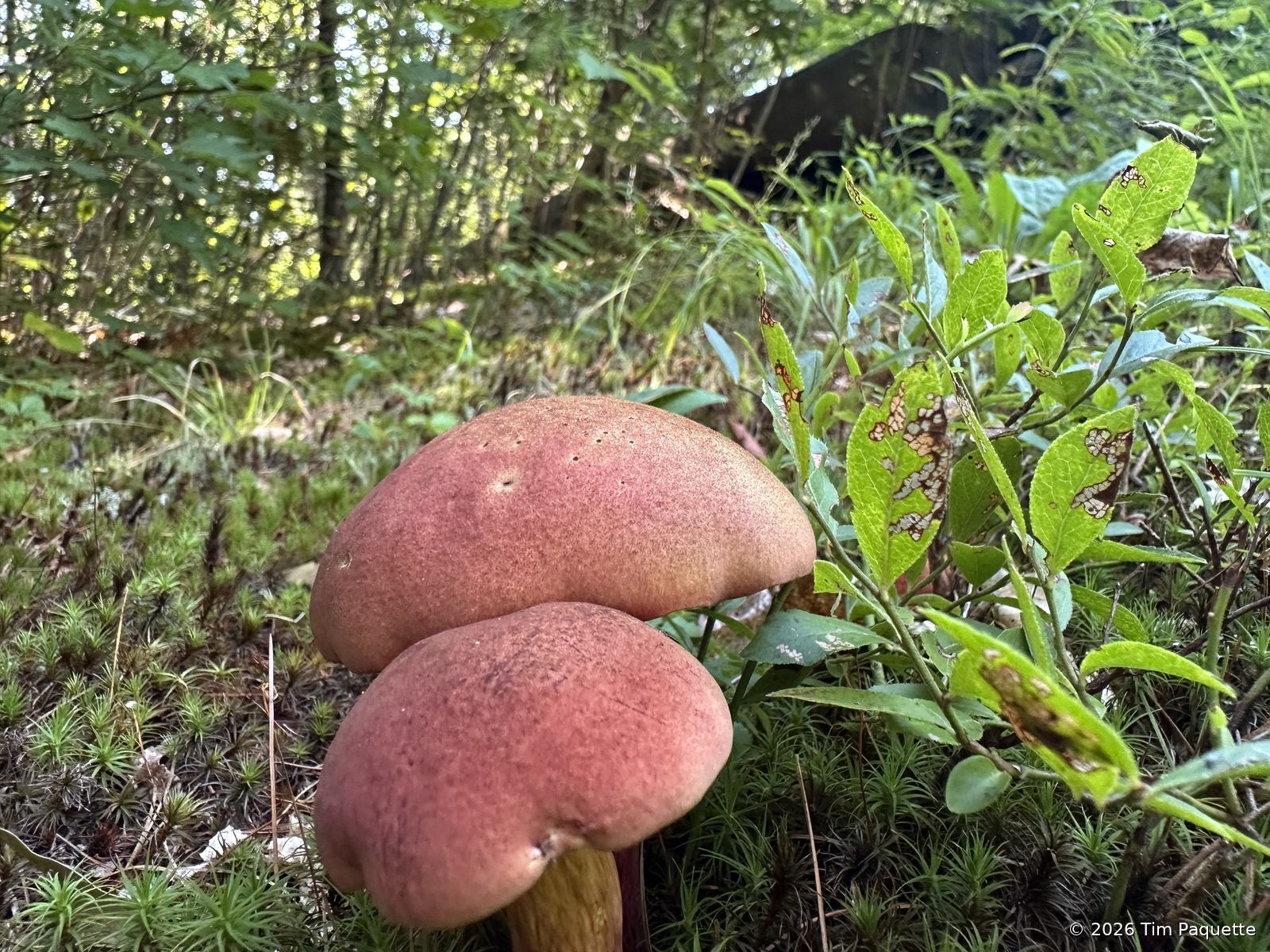 #4829
#4829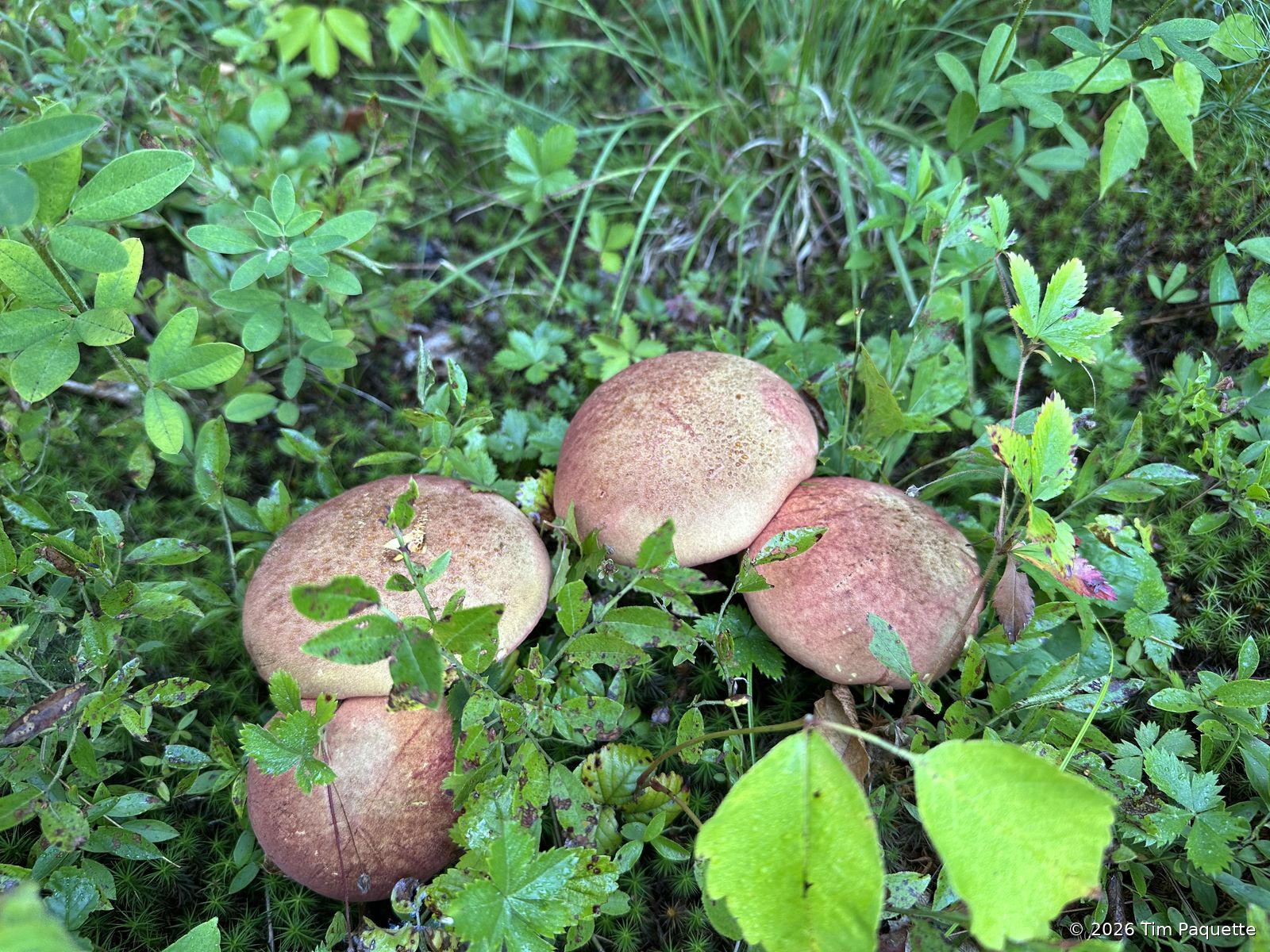 #4830
#4830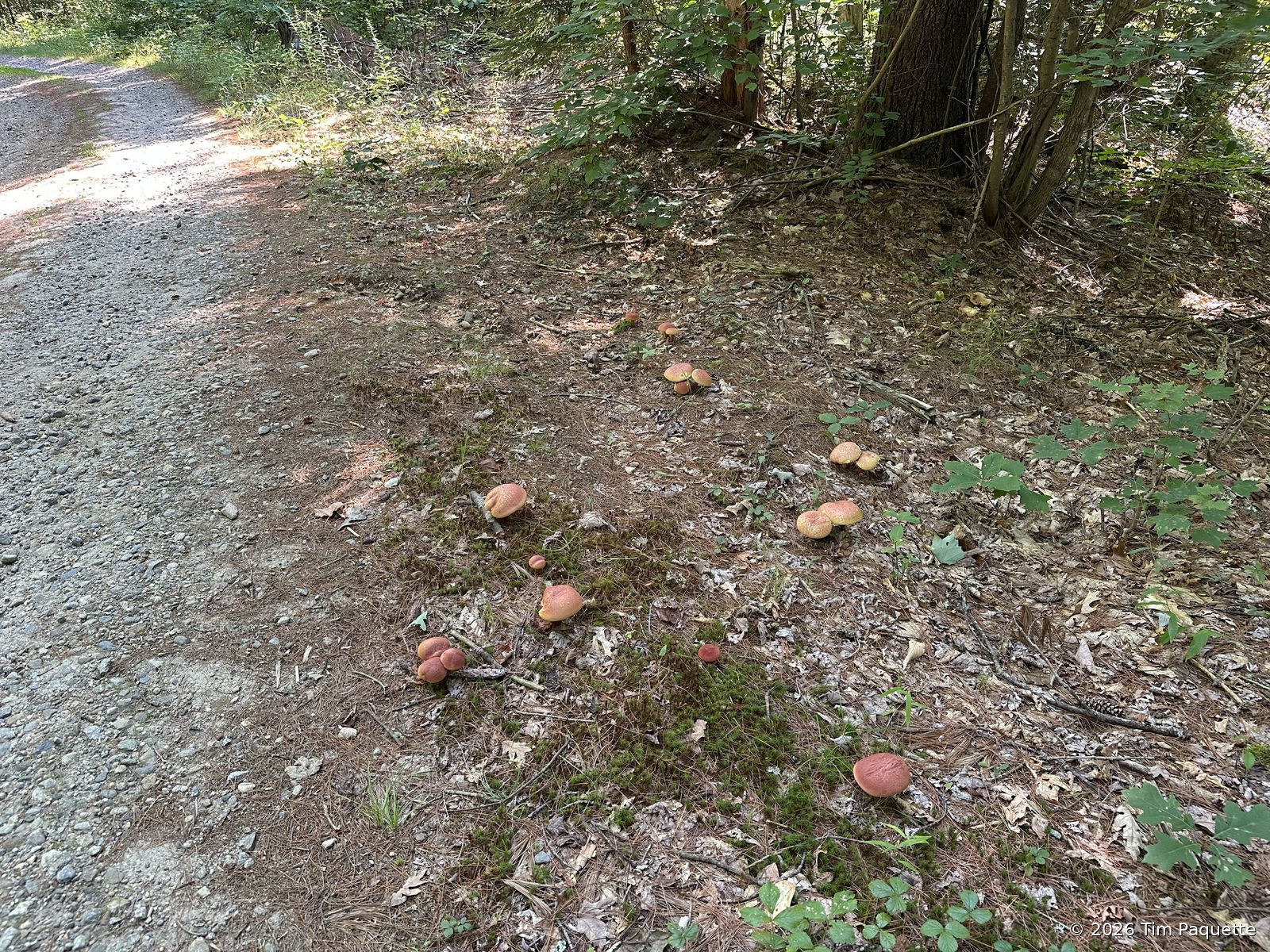 #4831
#4831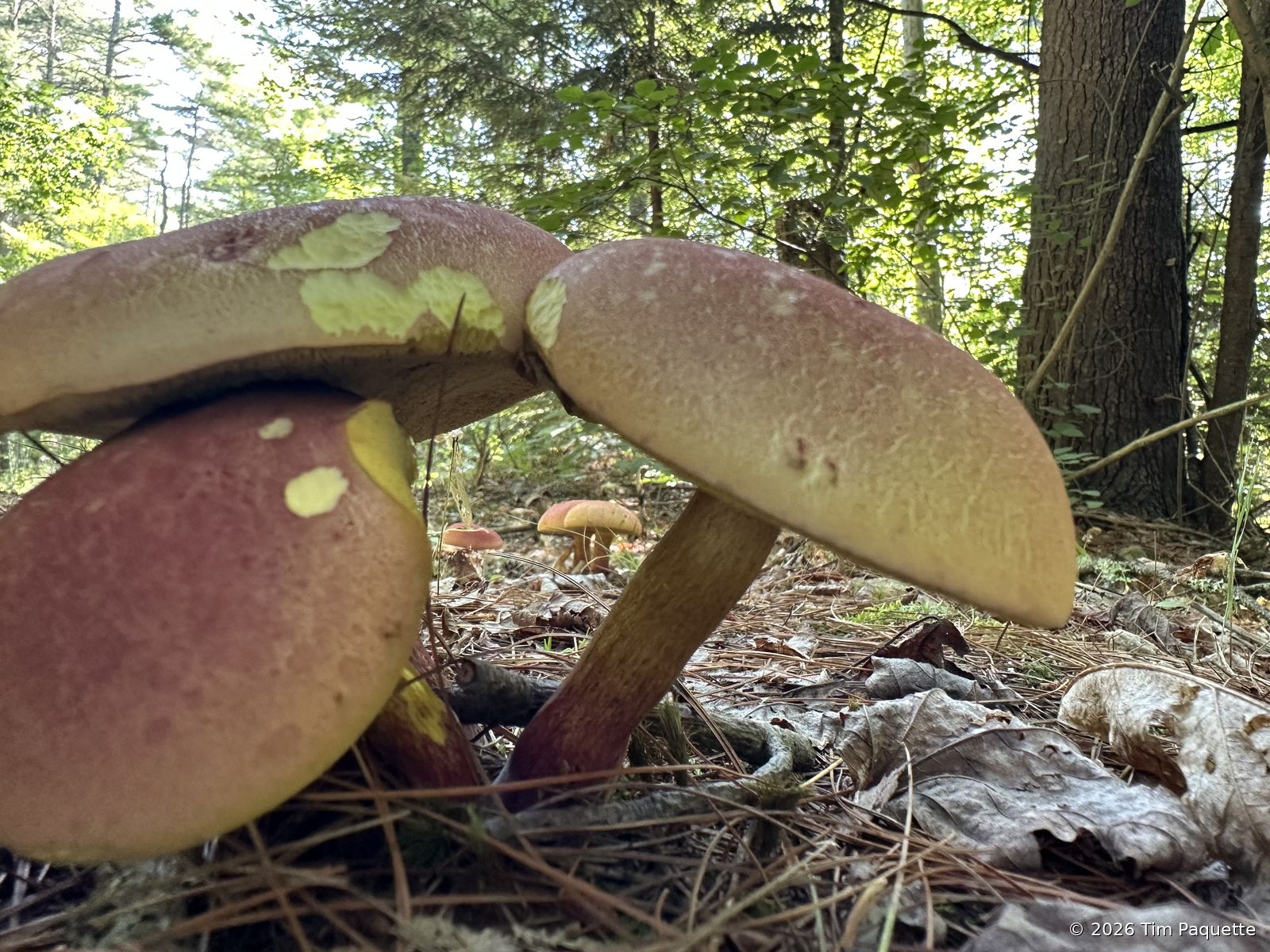 #4832
#4832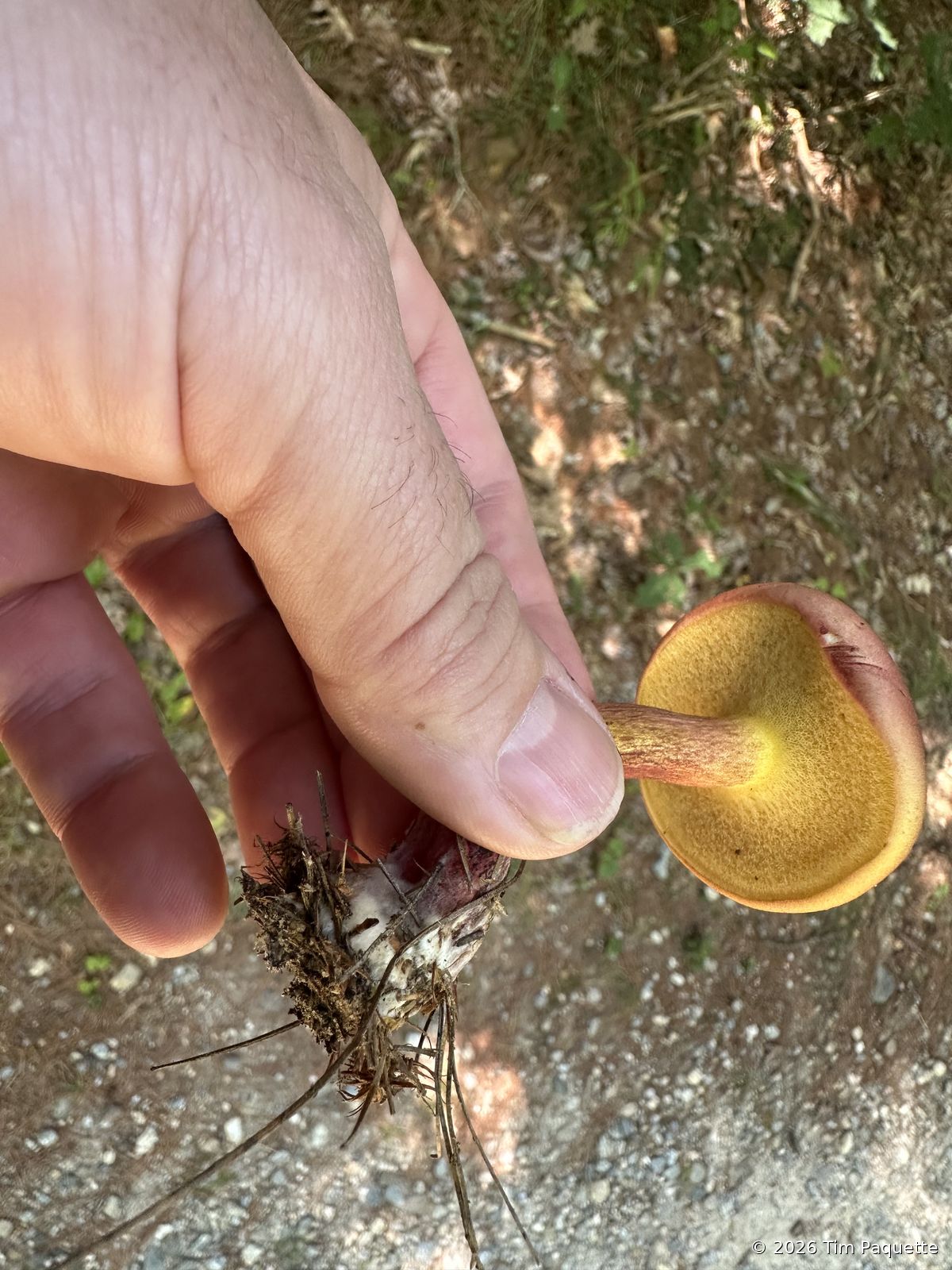 #4833
#4833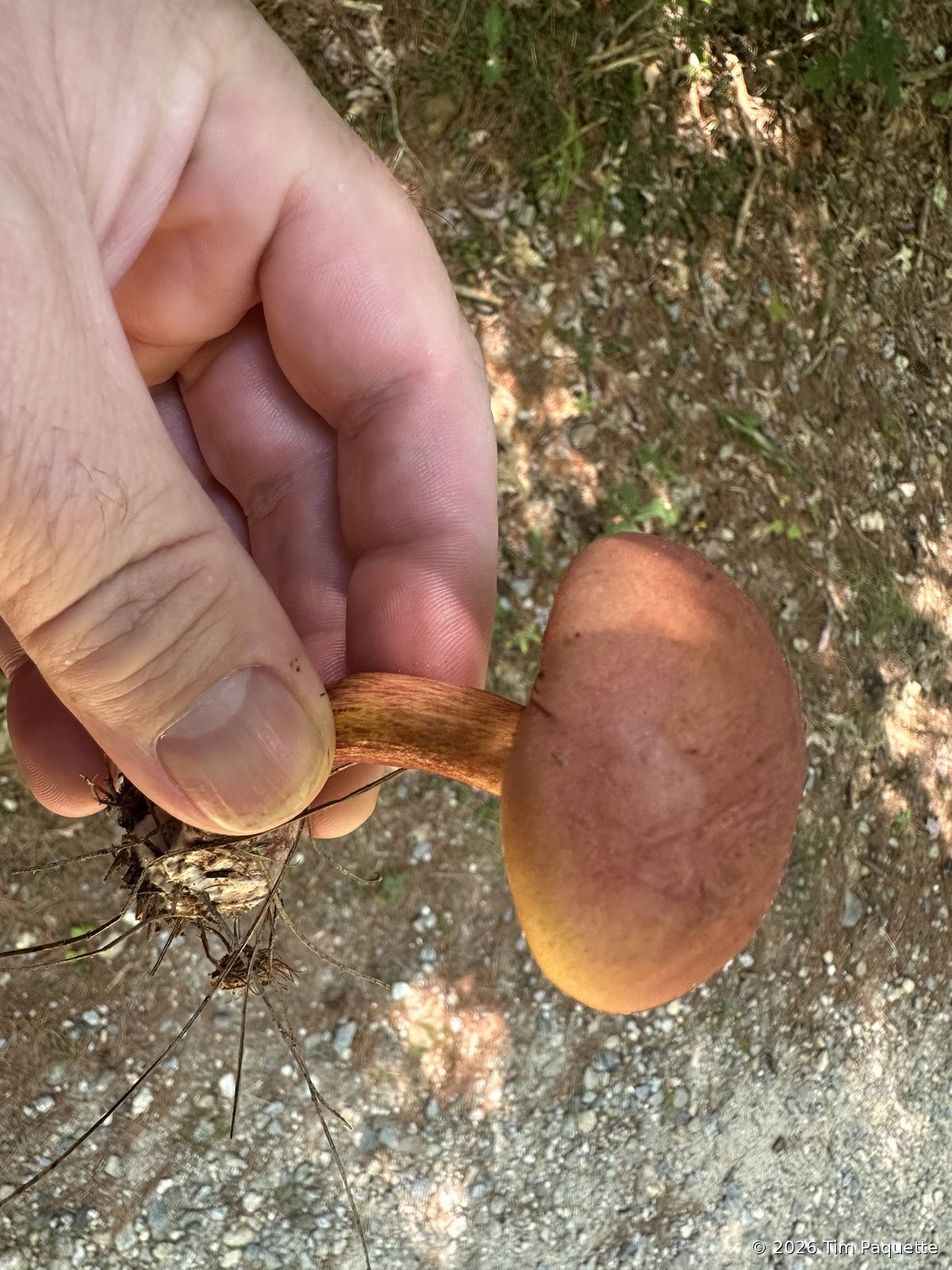 #4834
#4834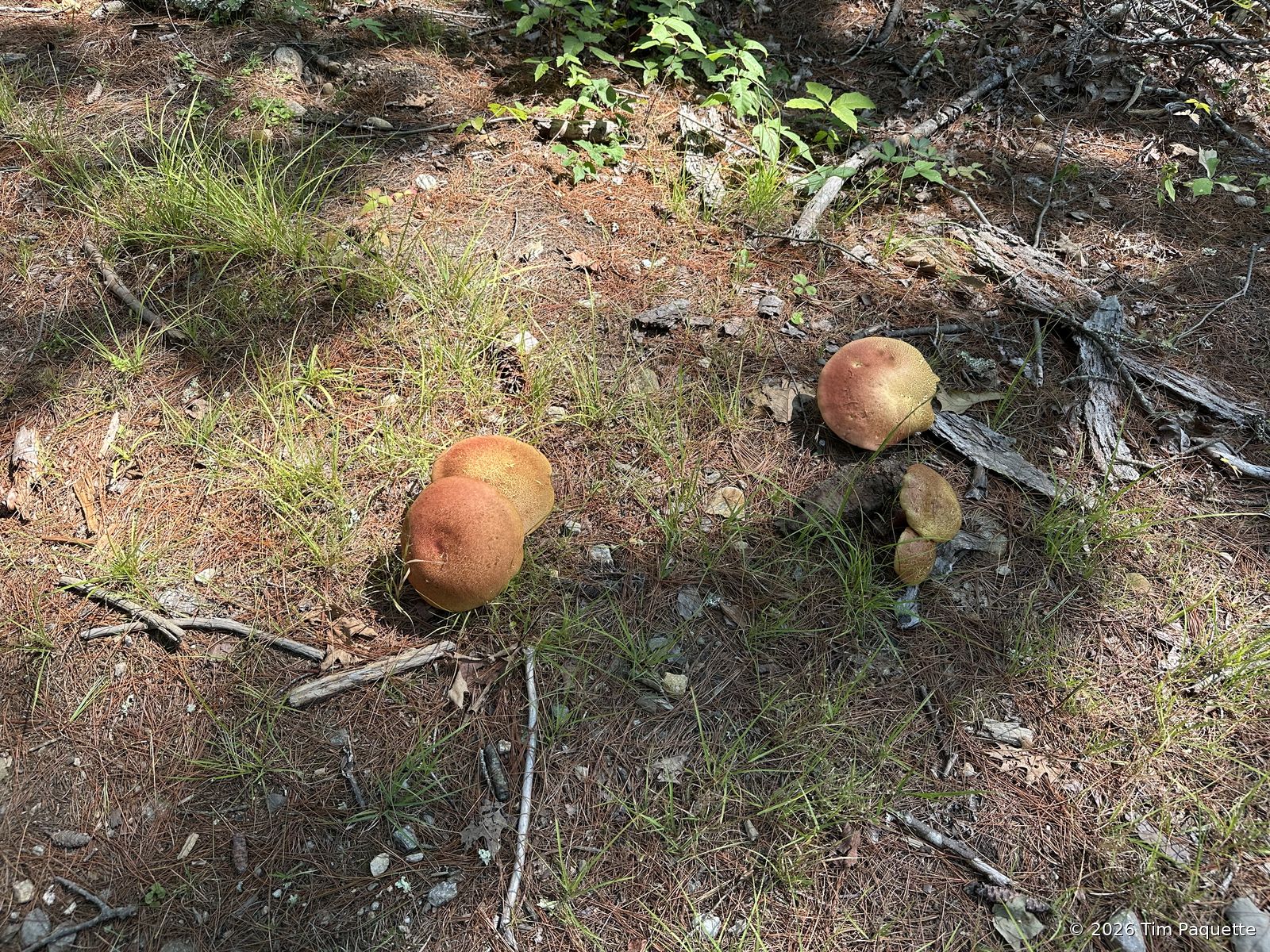 #4856
#4856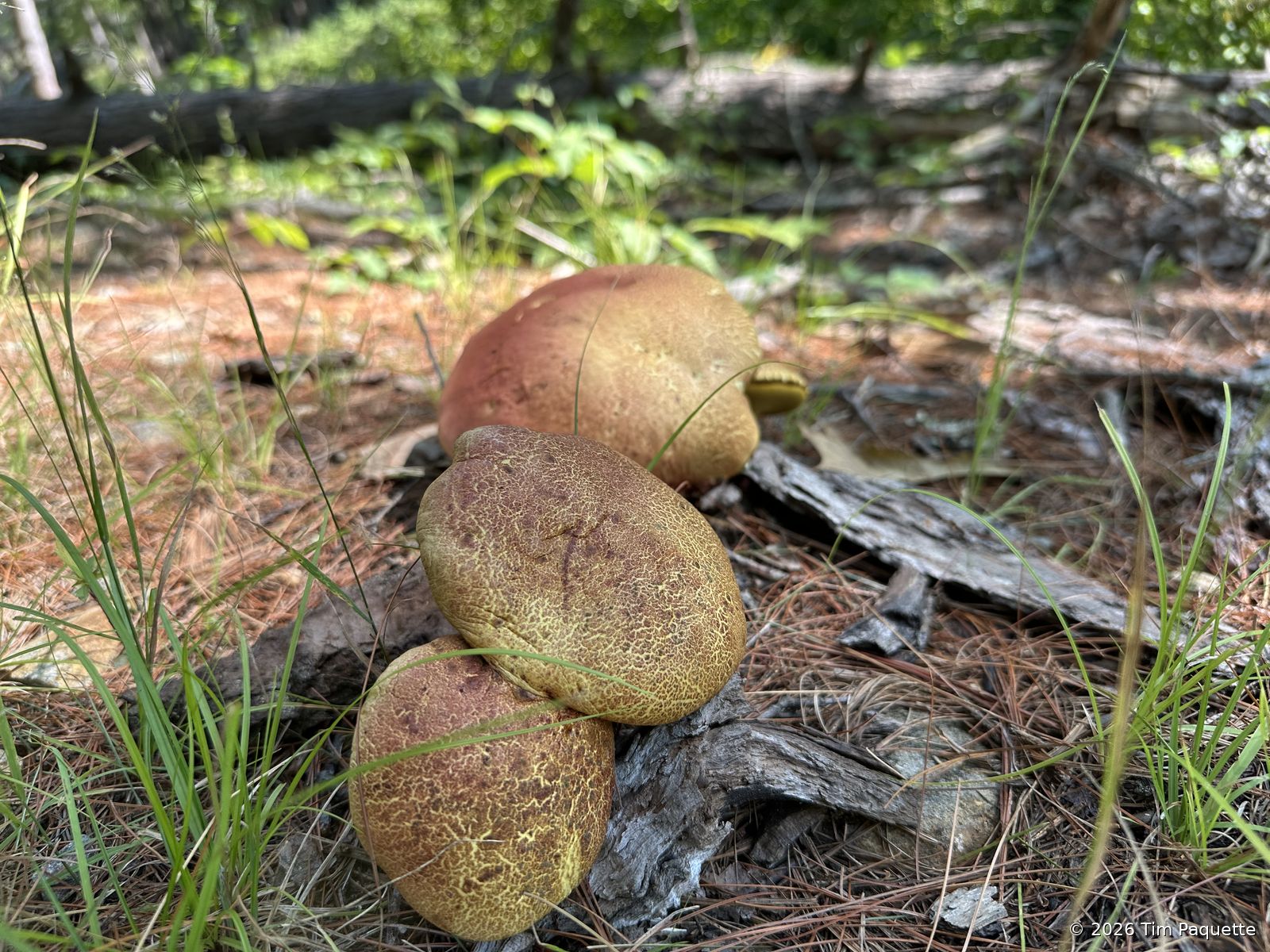 #4857
#4857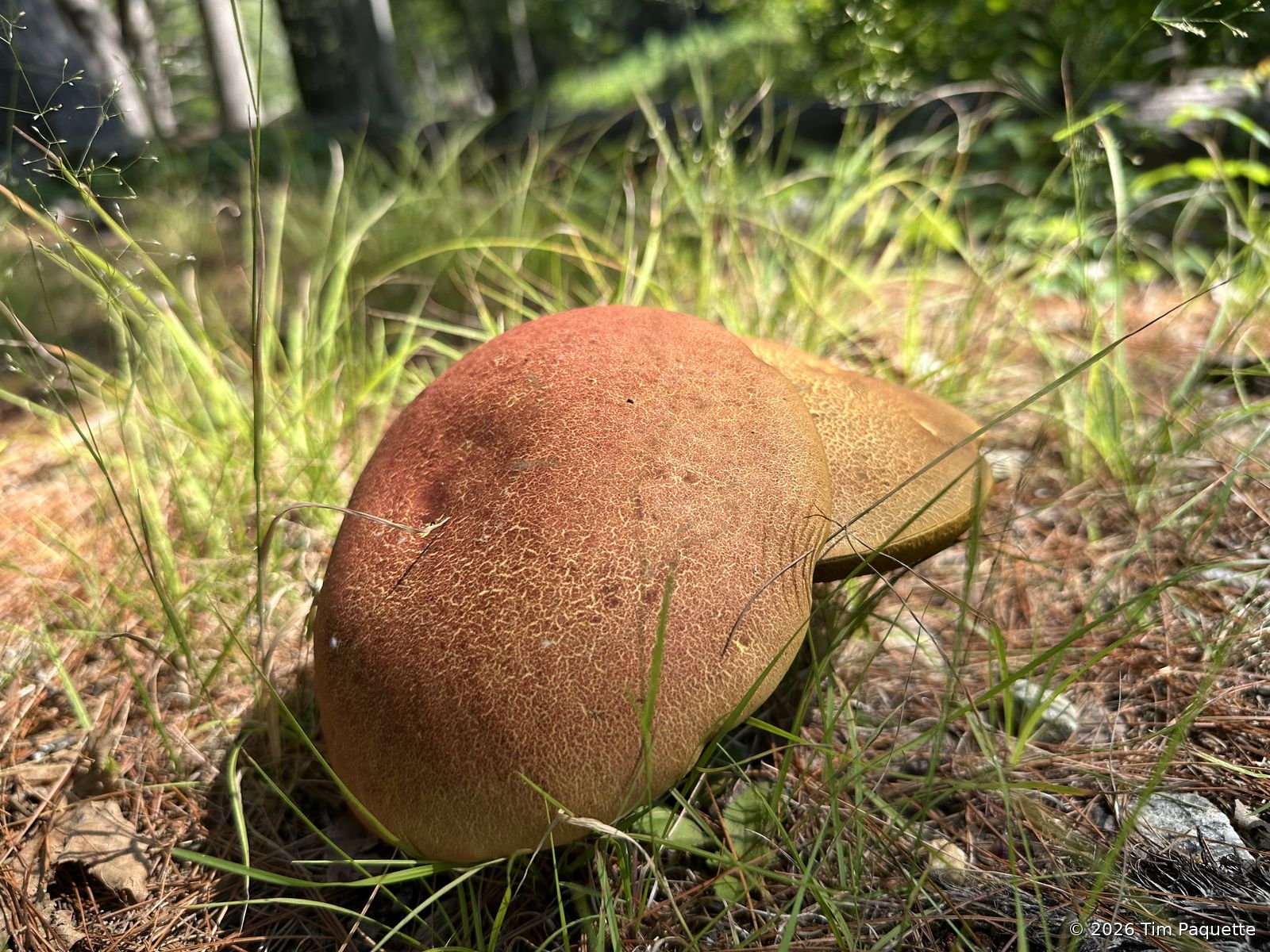 #4858
#4858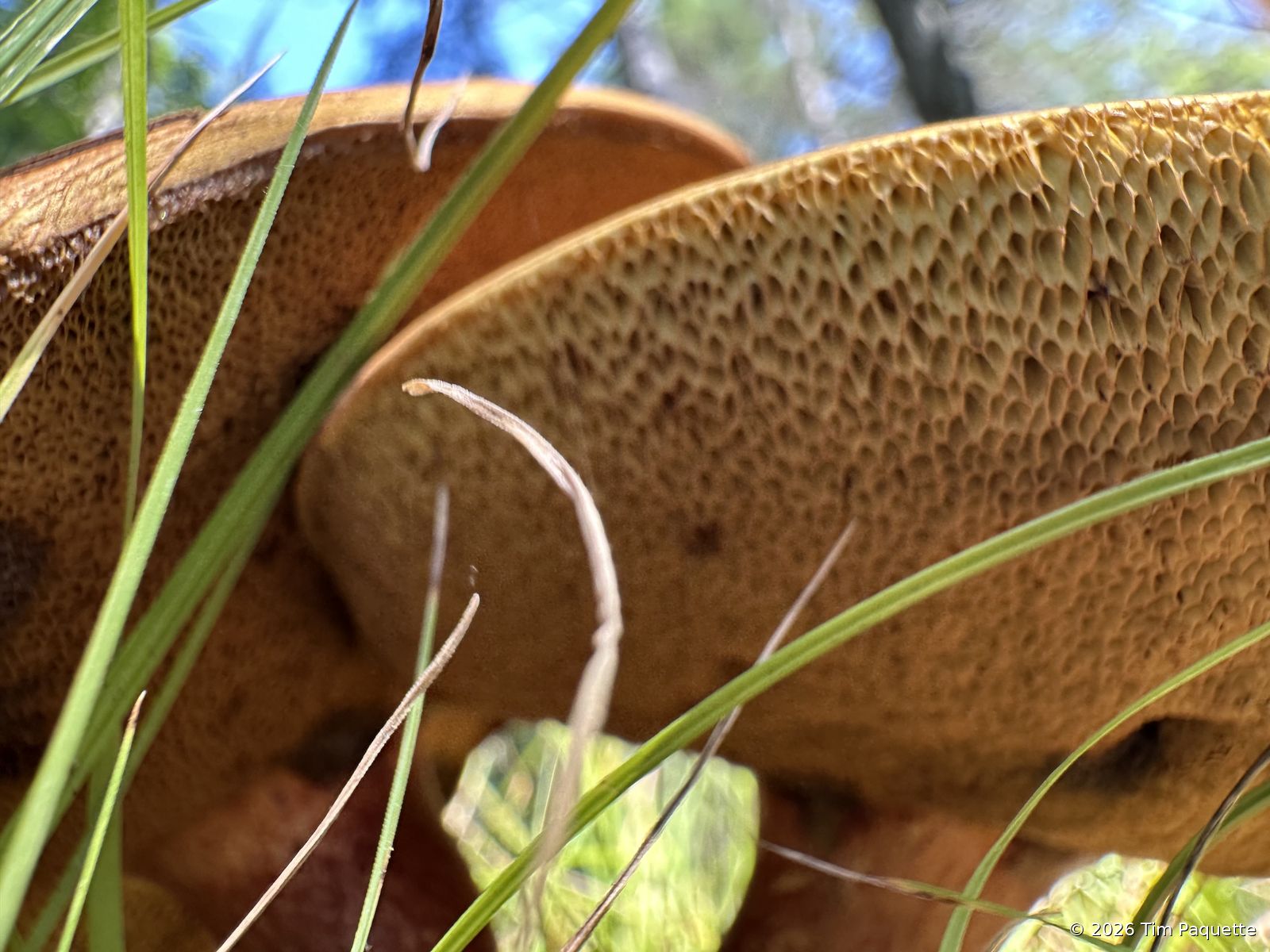 #4859
#4859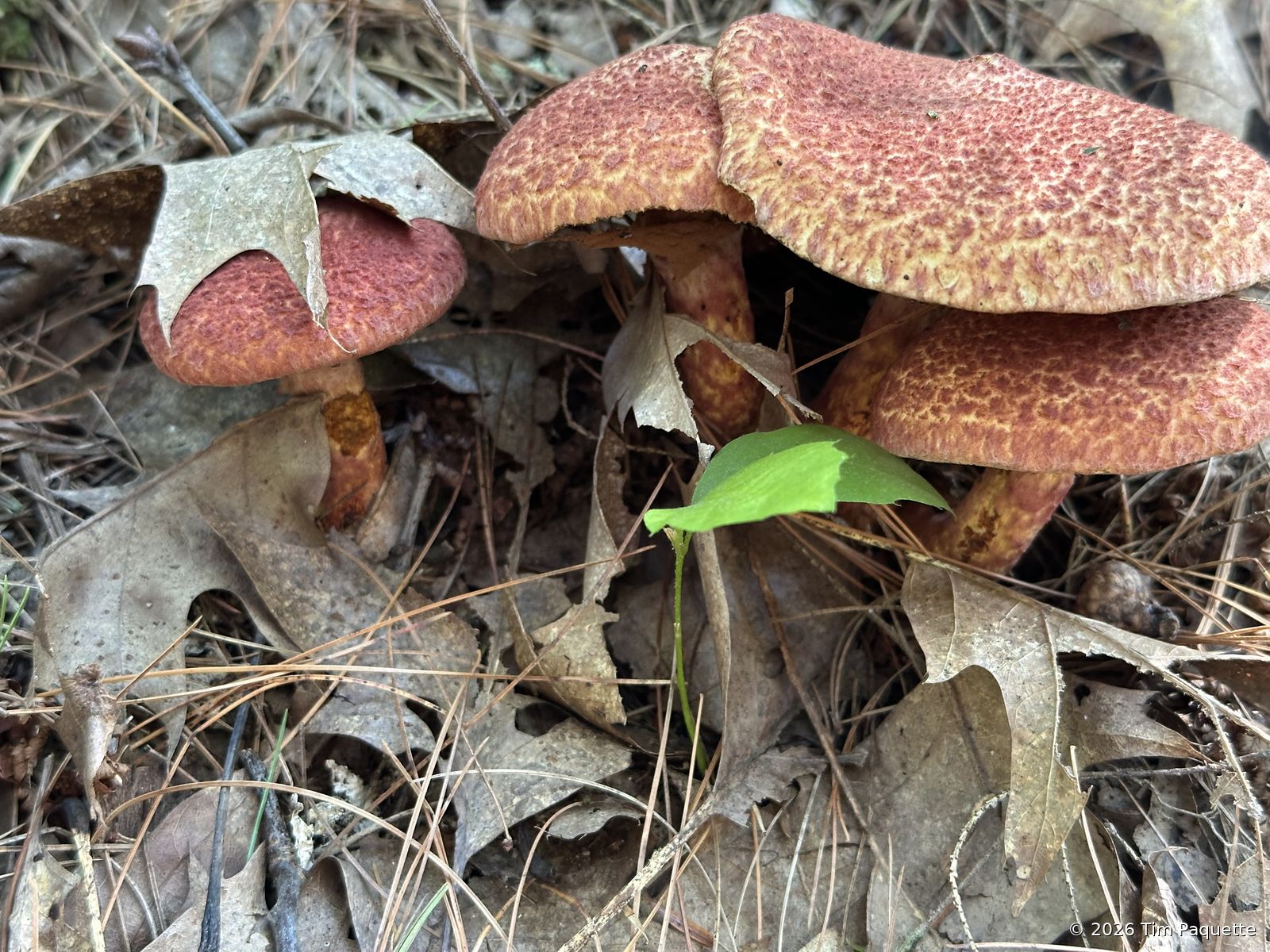 #4879
#4879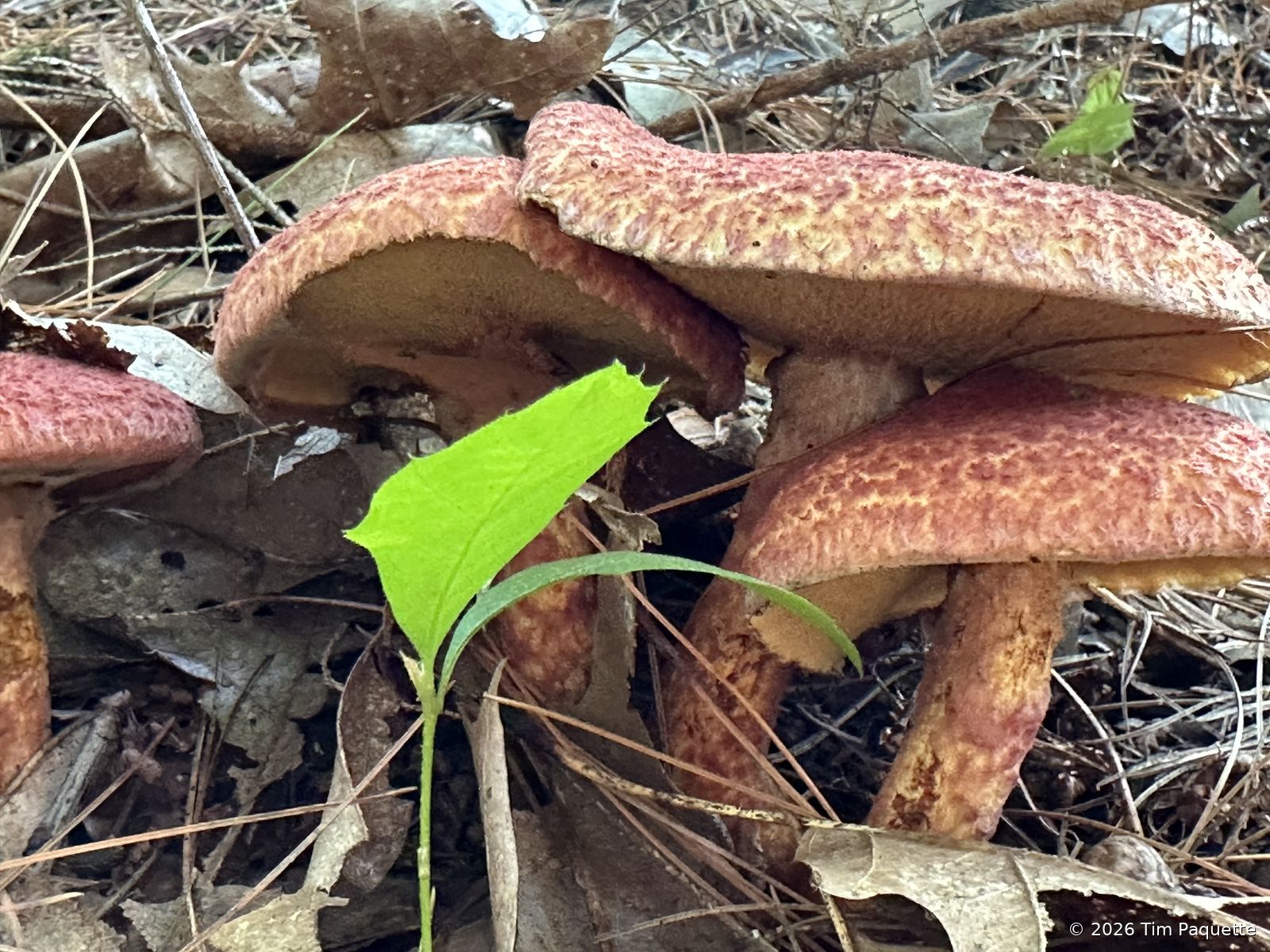 #4880
#4880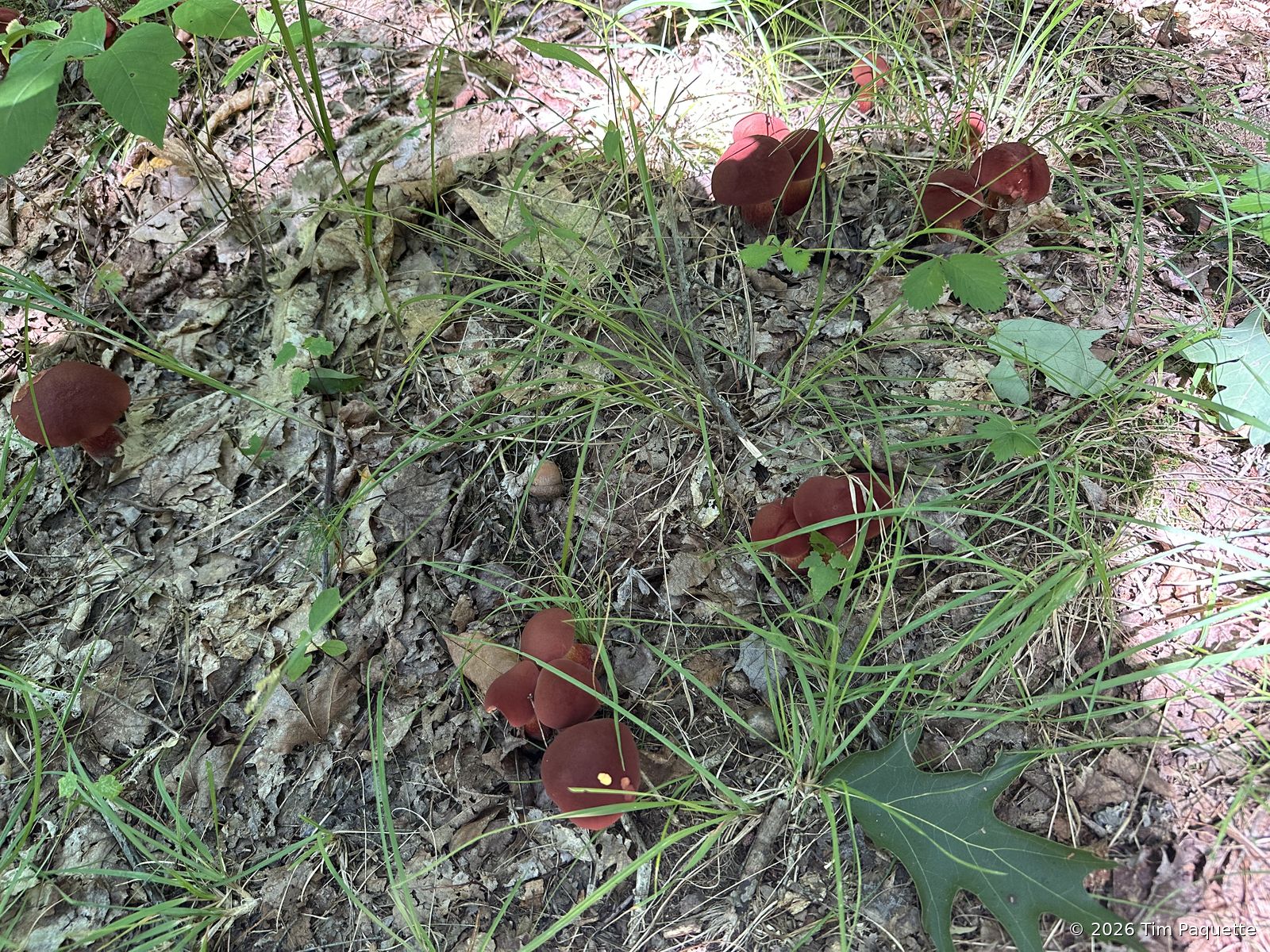 #4949
#4949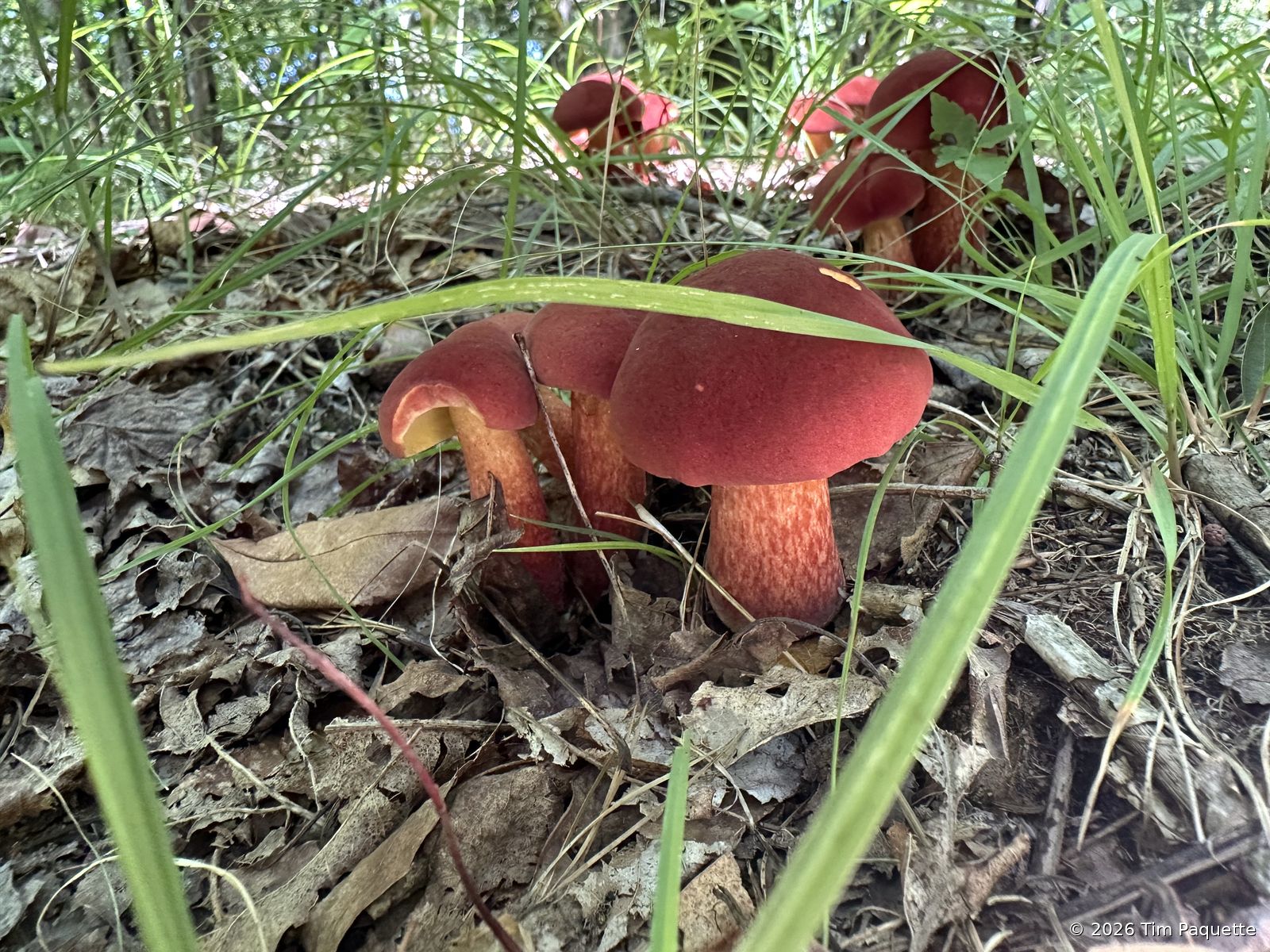 #4950
#4950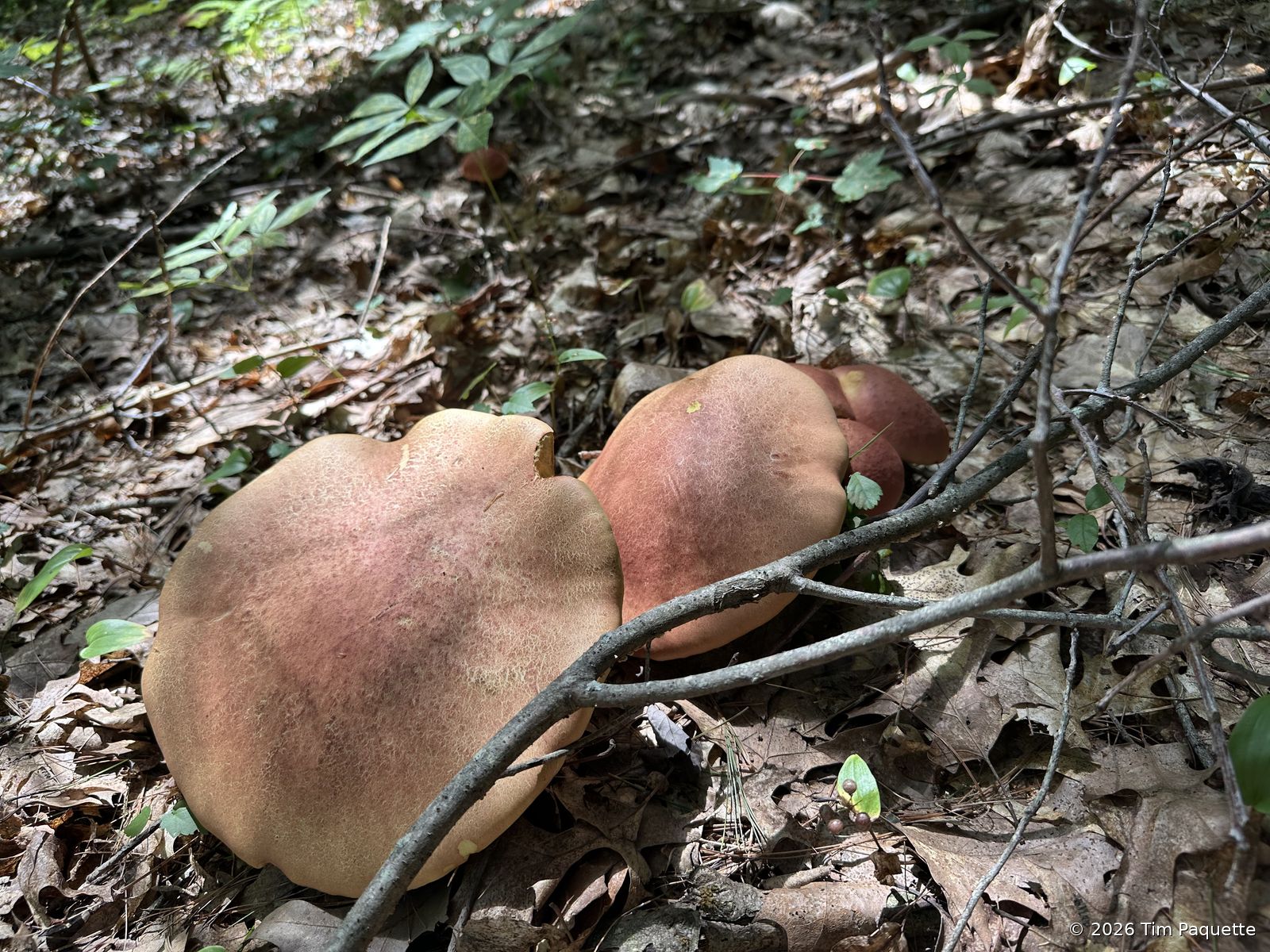 #4961
#4961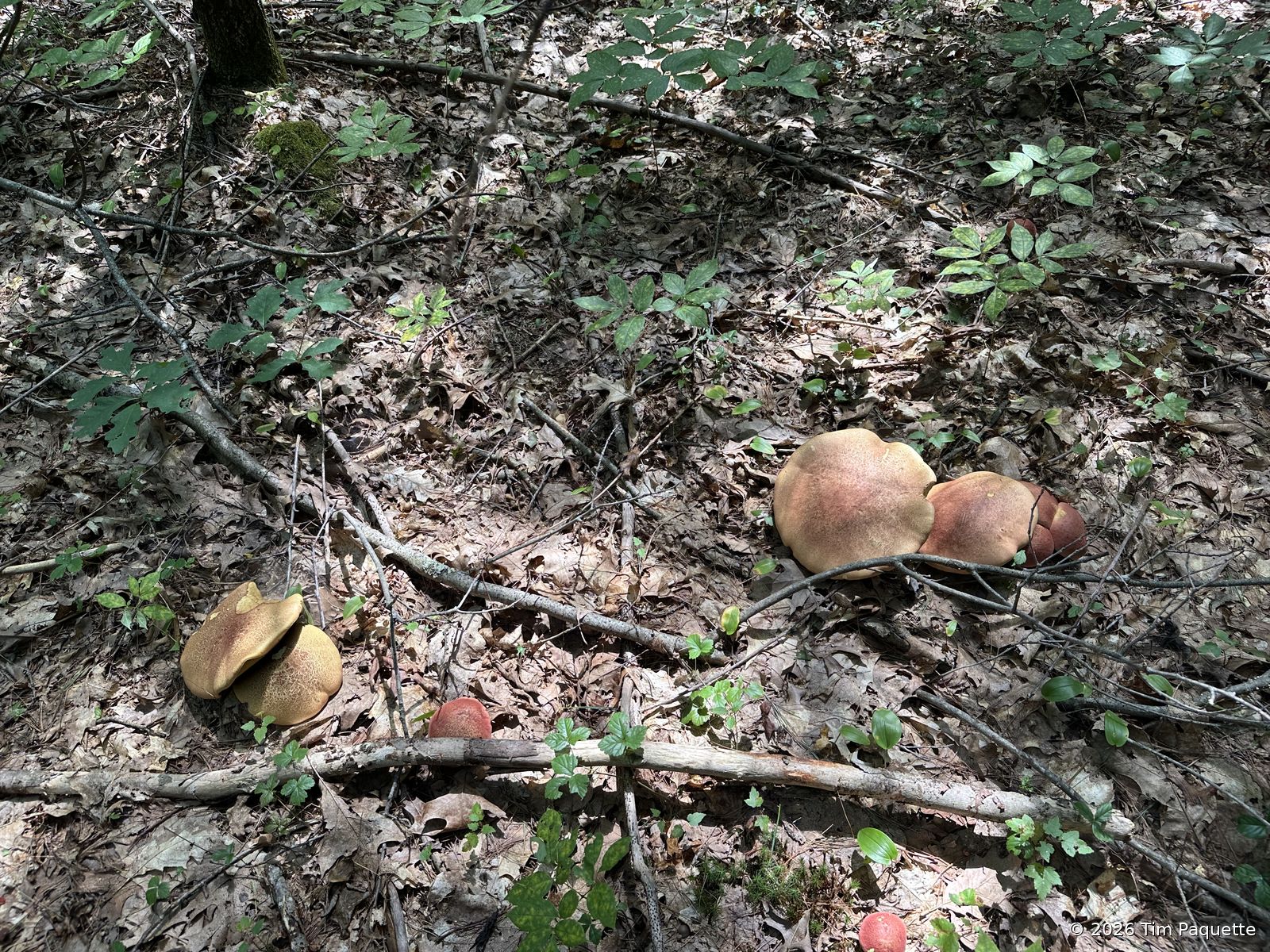 #4962
#4962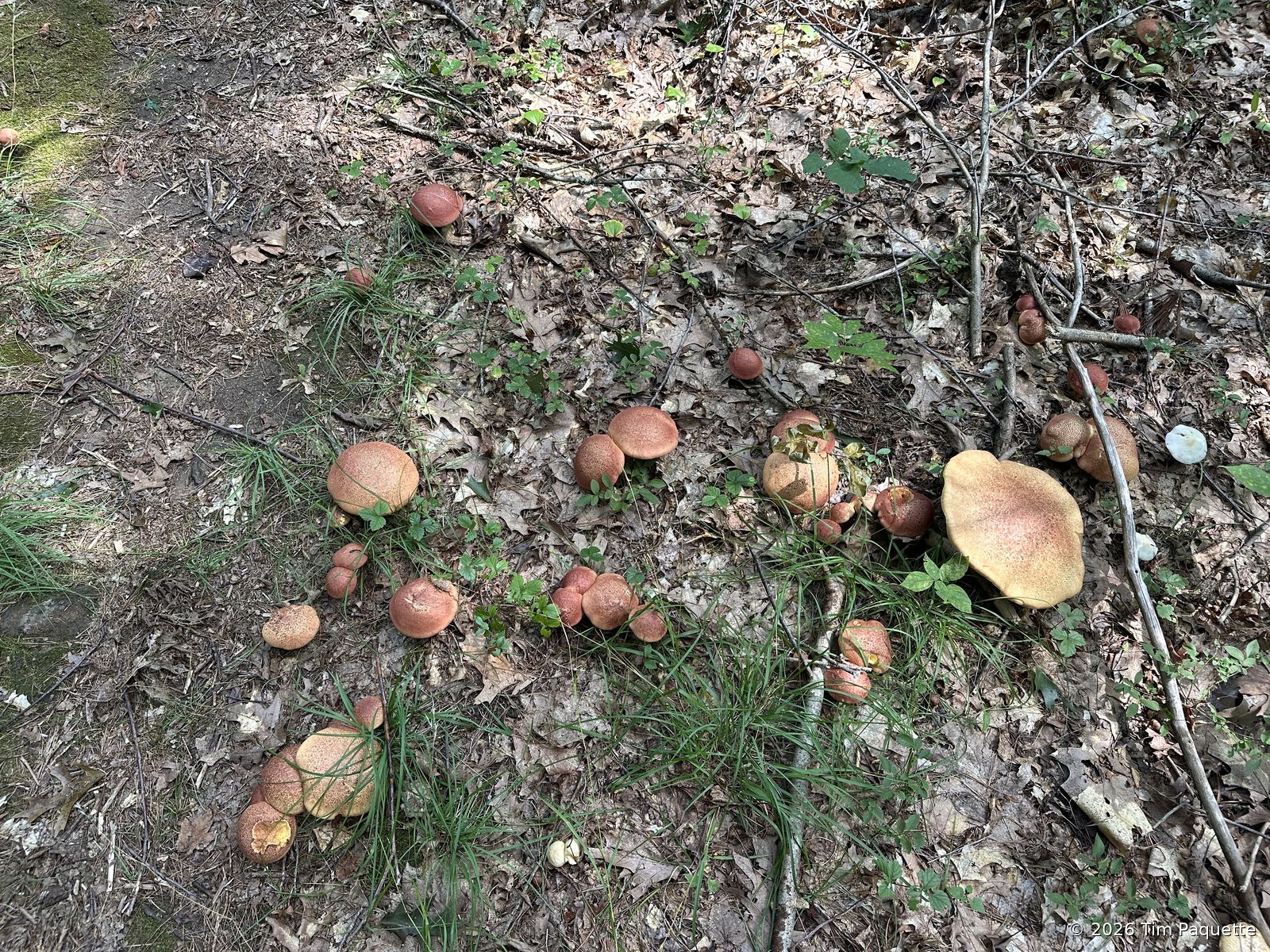 #4963
#4963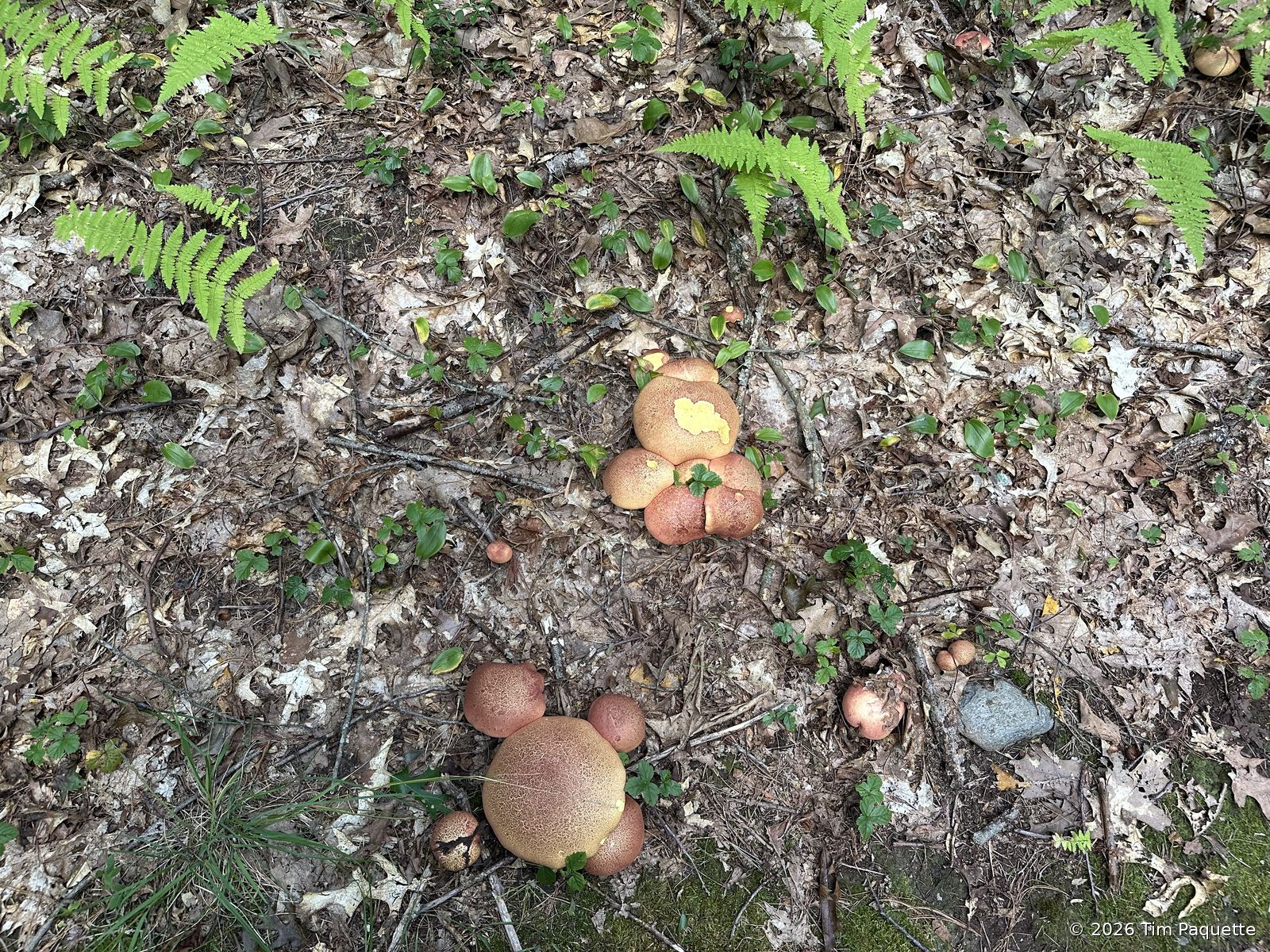 #4964
#4964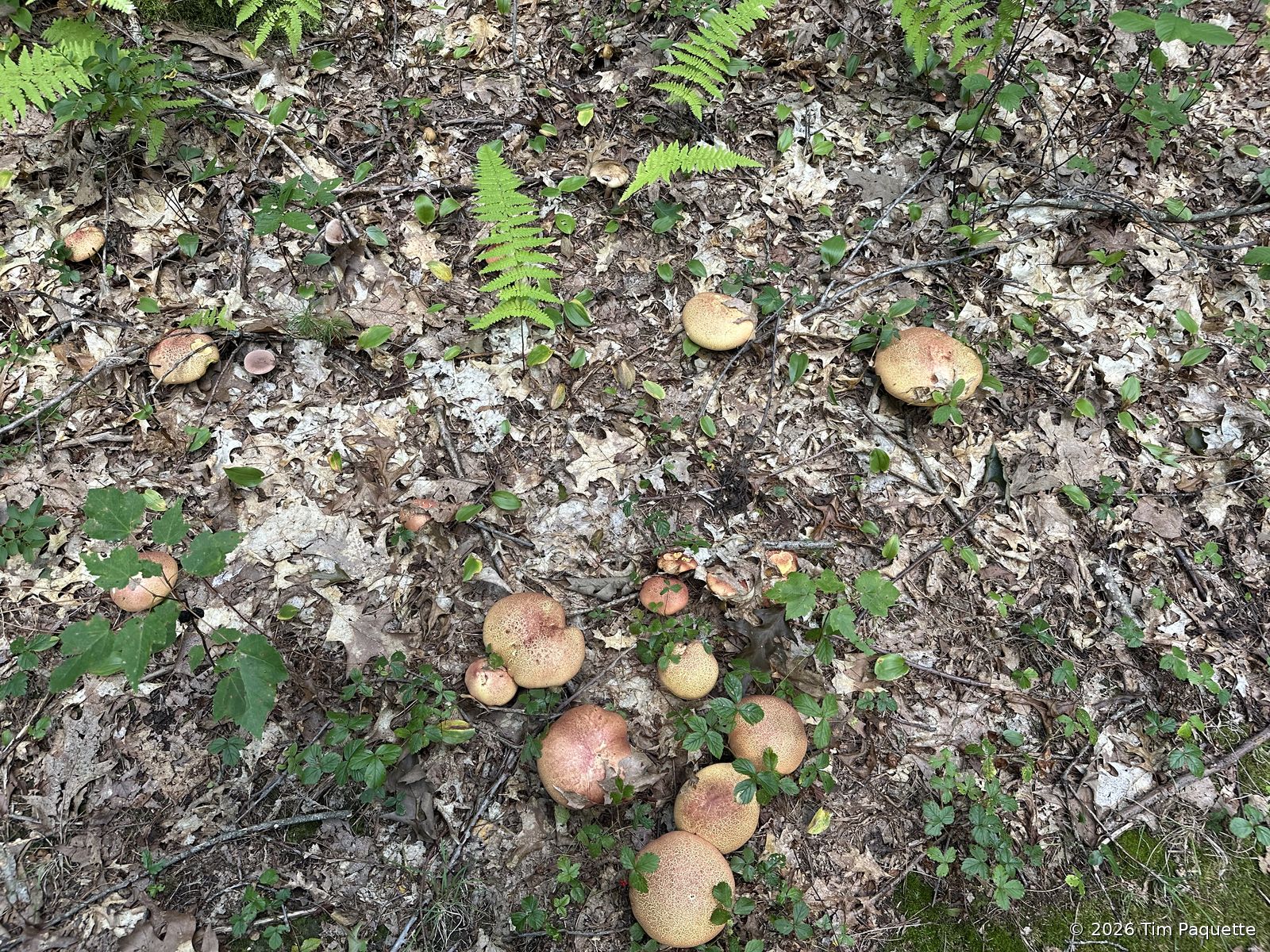 #4965
#4965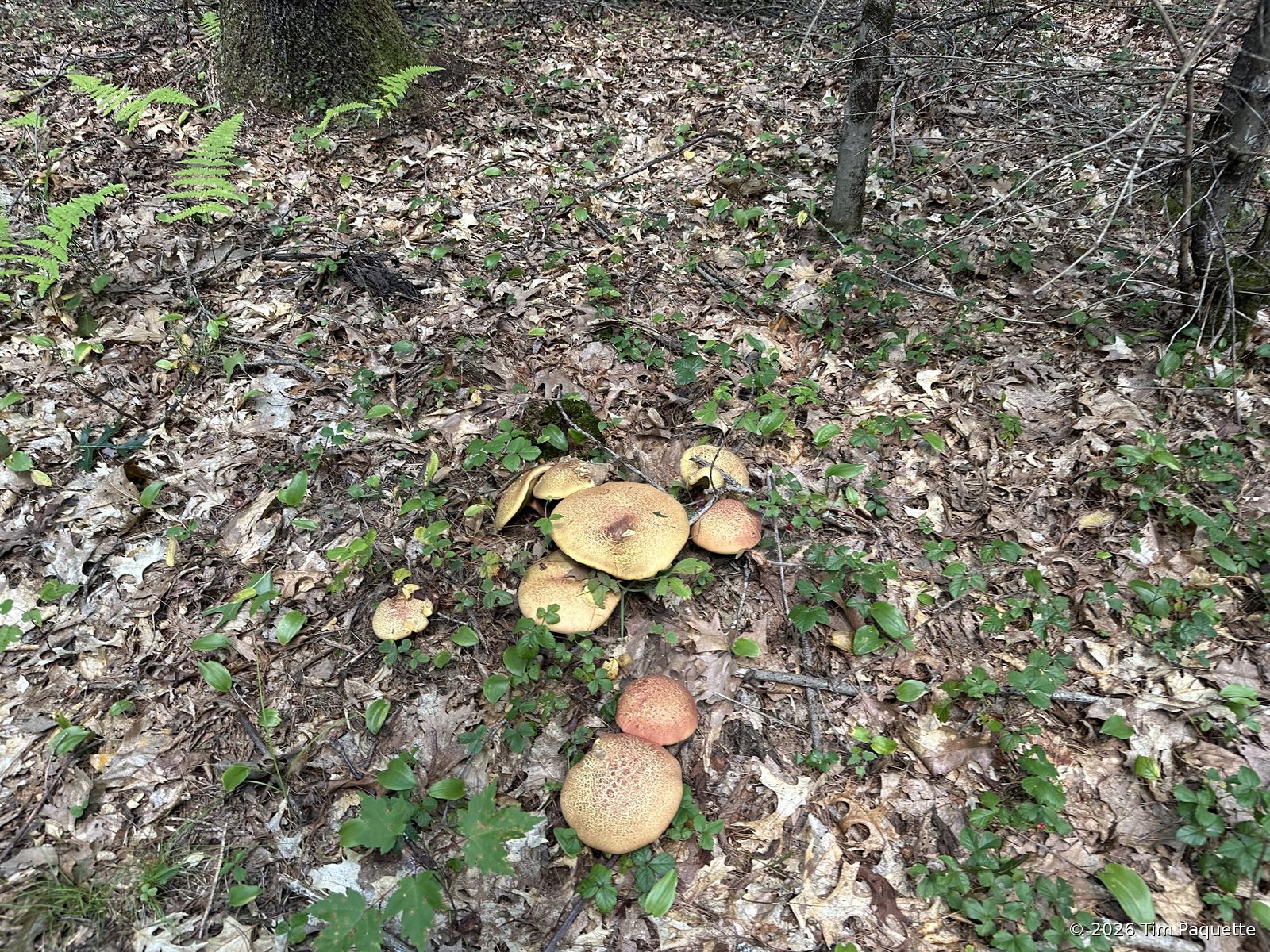 #4966
#4966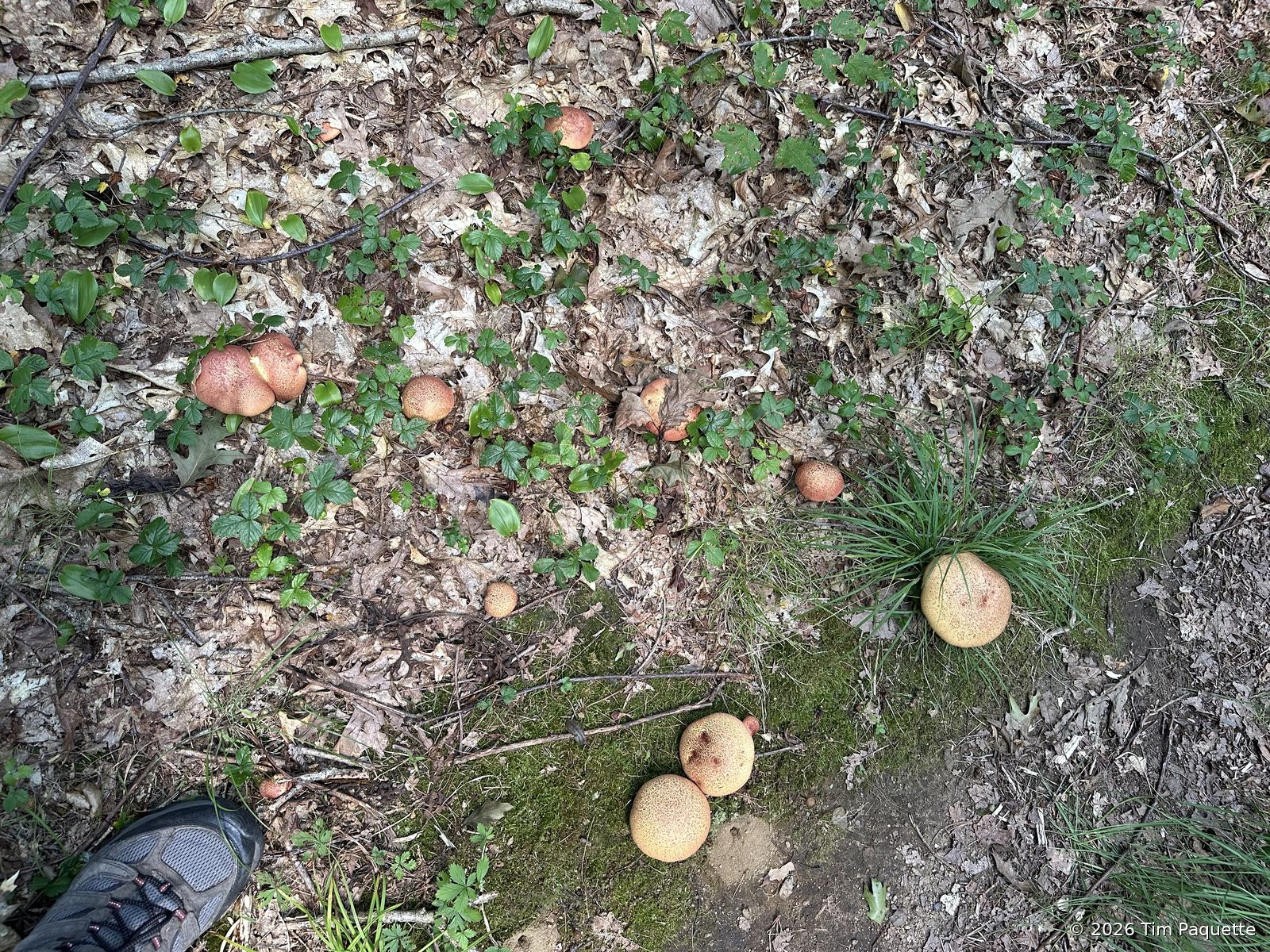 #4967
#4967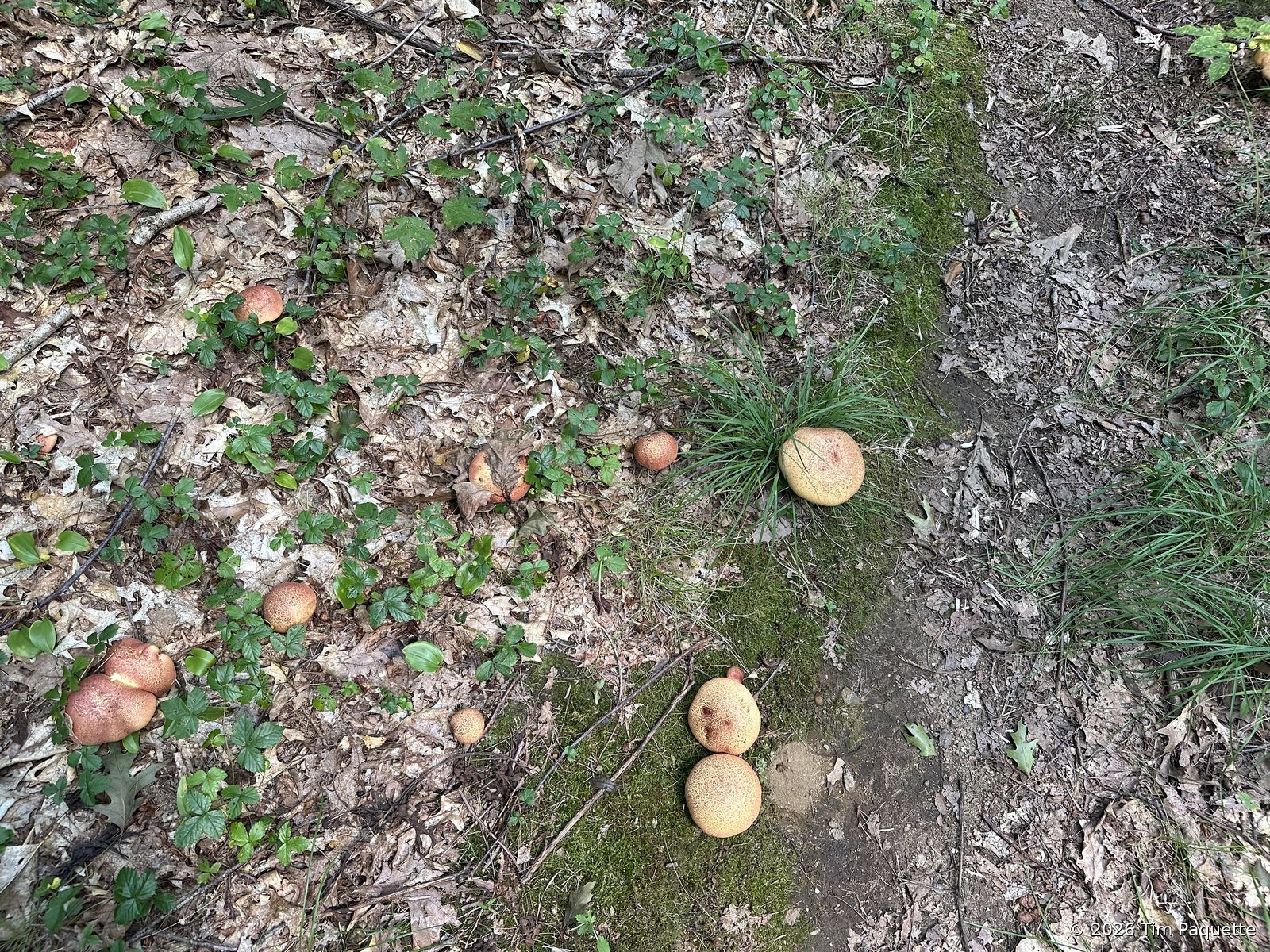 #4968
#4968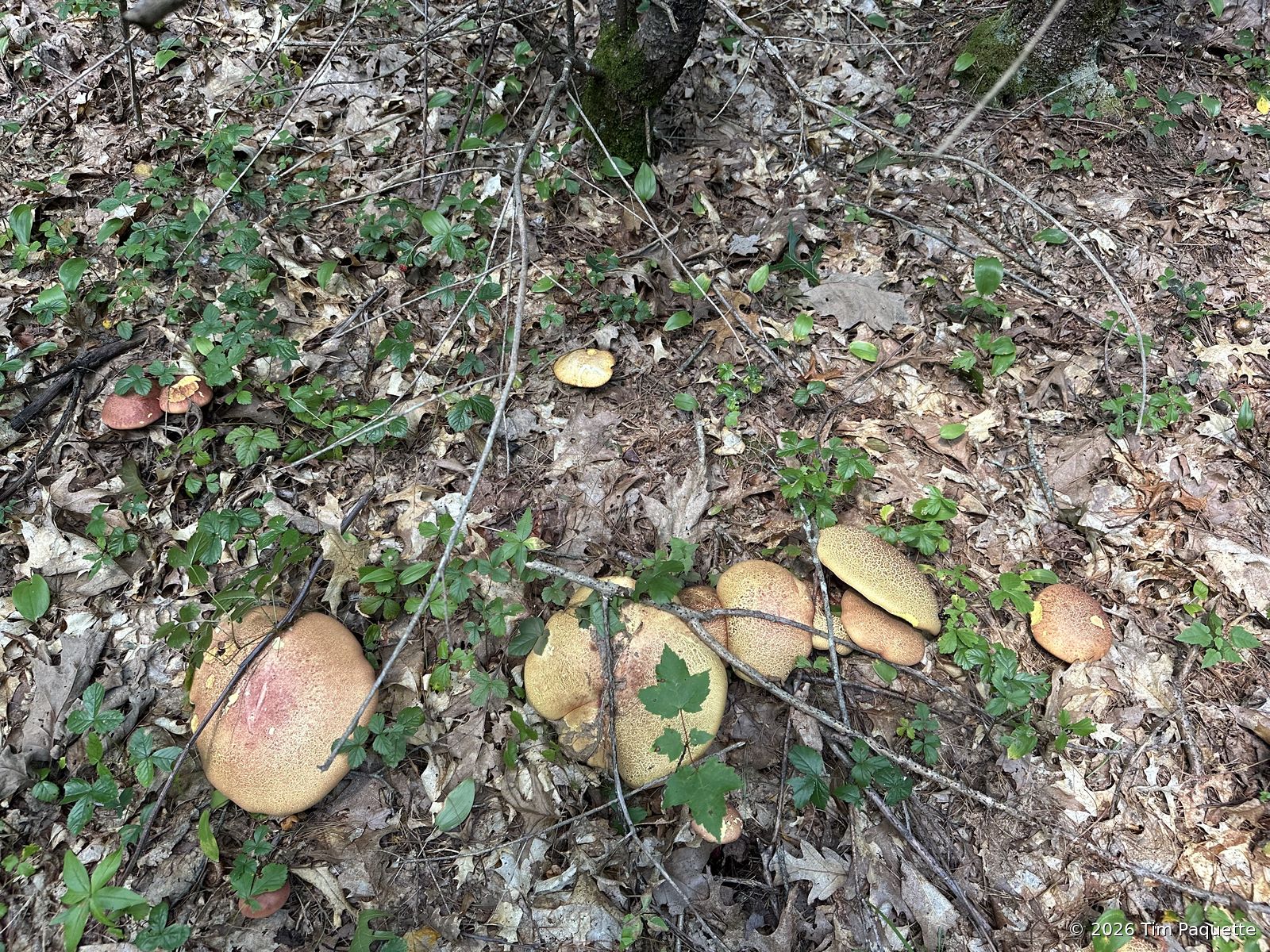 #4969
#4969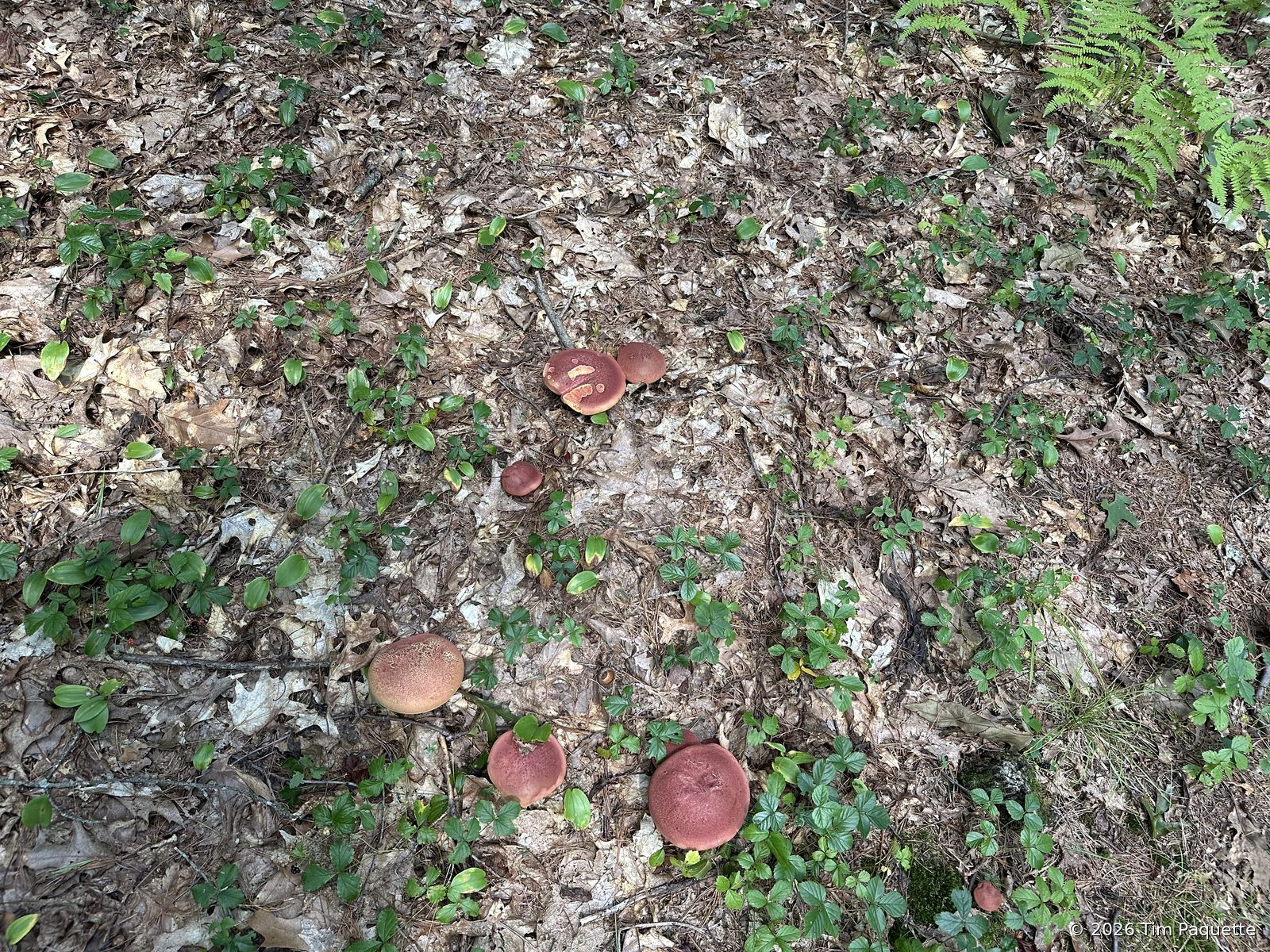 #4970
#4970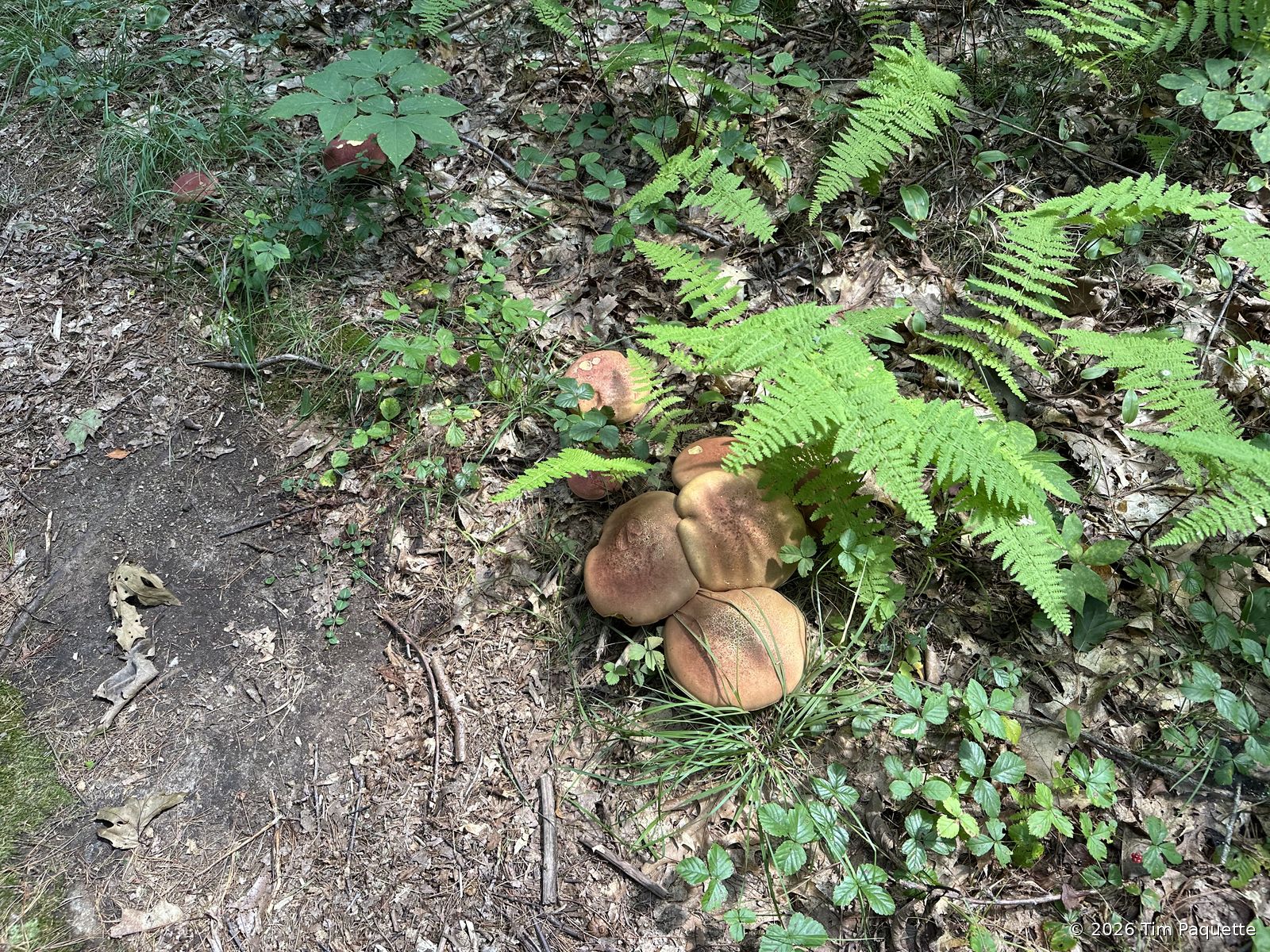 #4971
#4971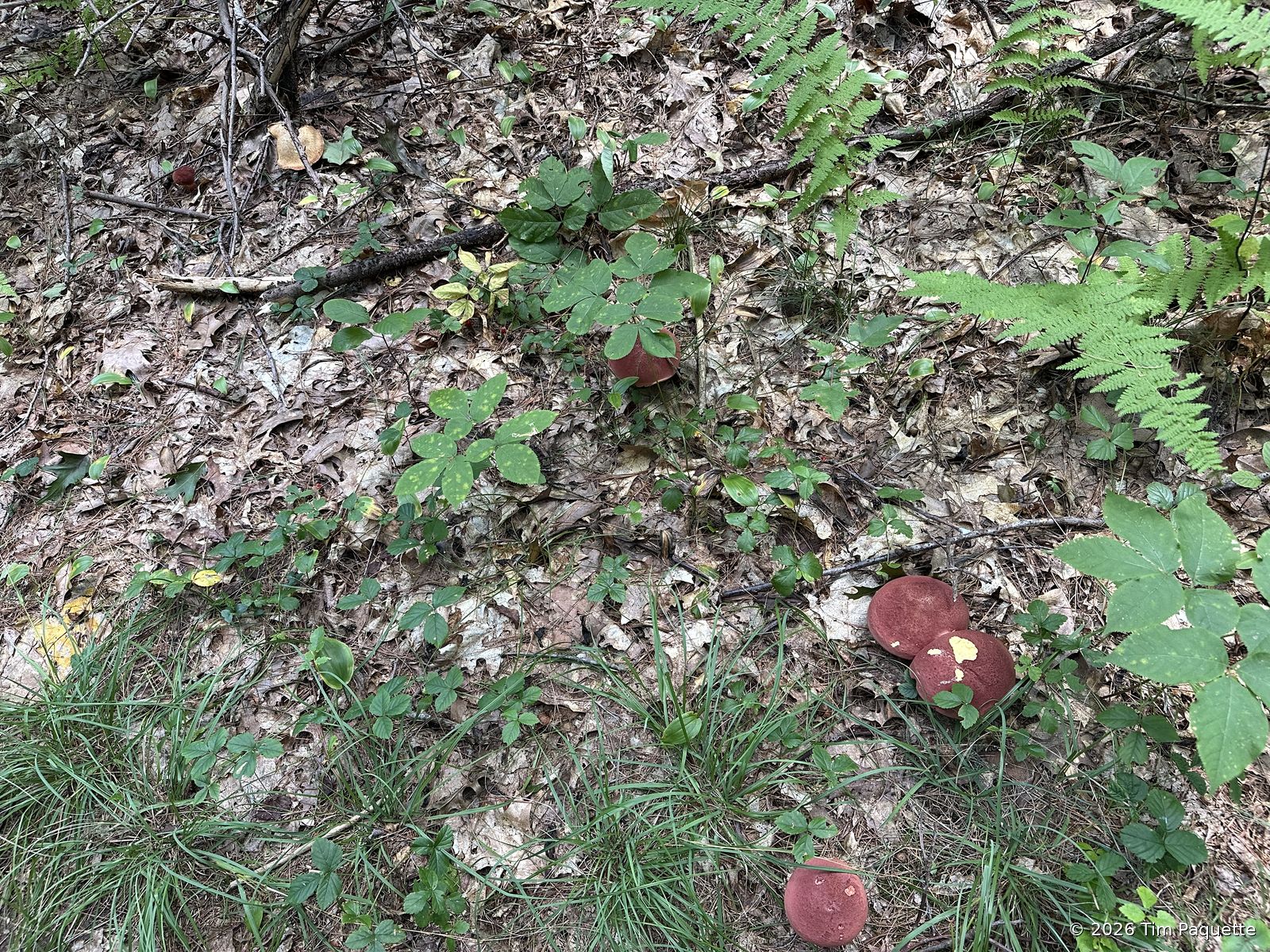 #4972
#4972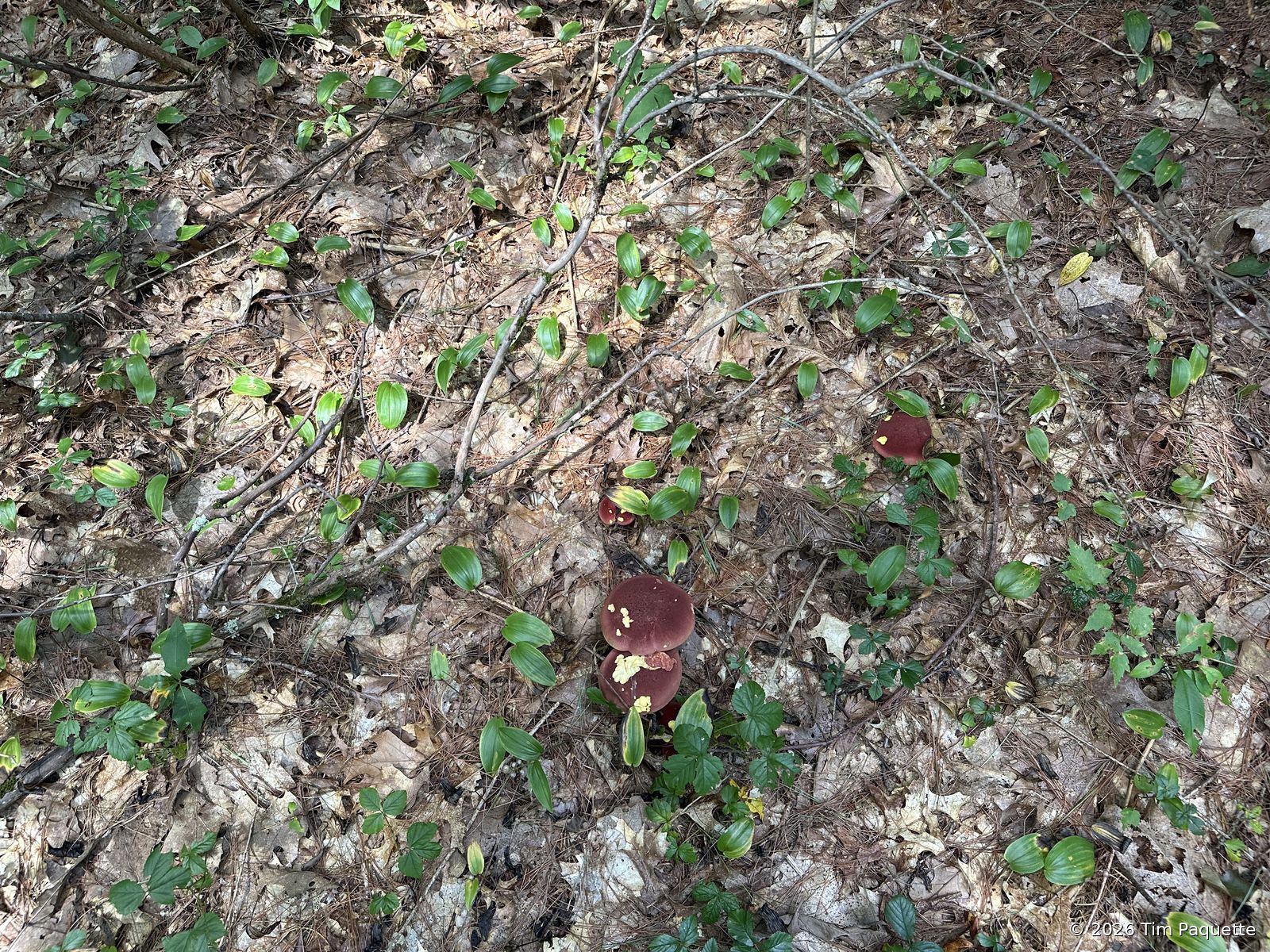 #4973
#4973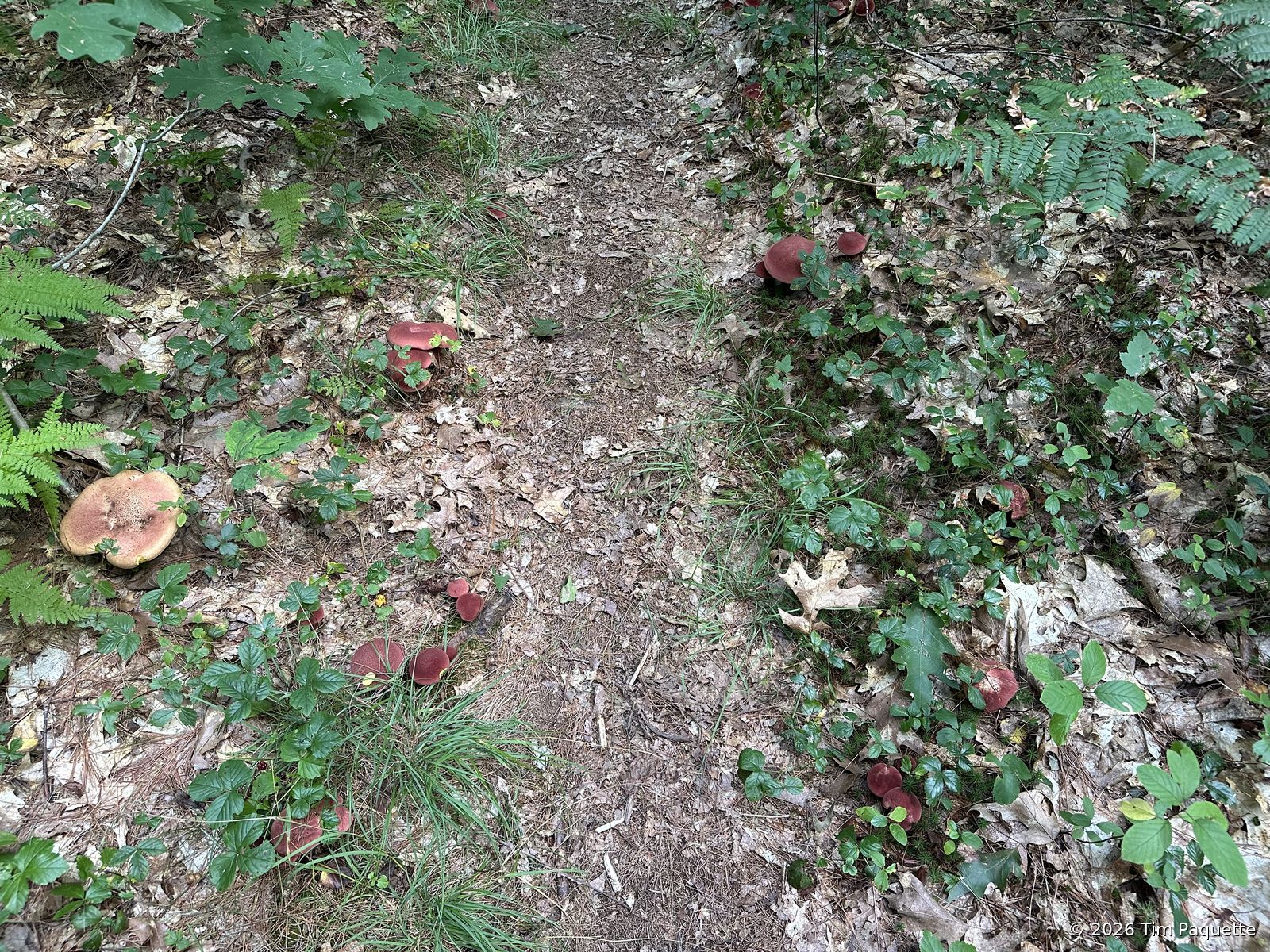 #4974
#4974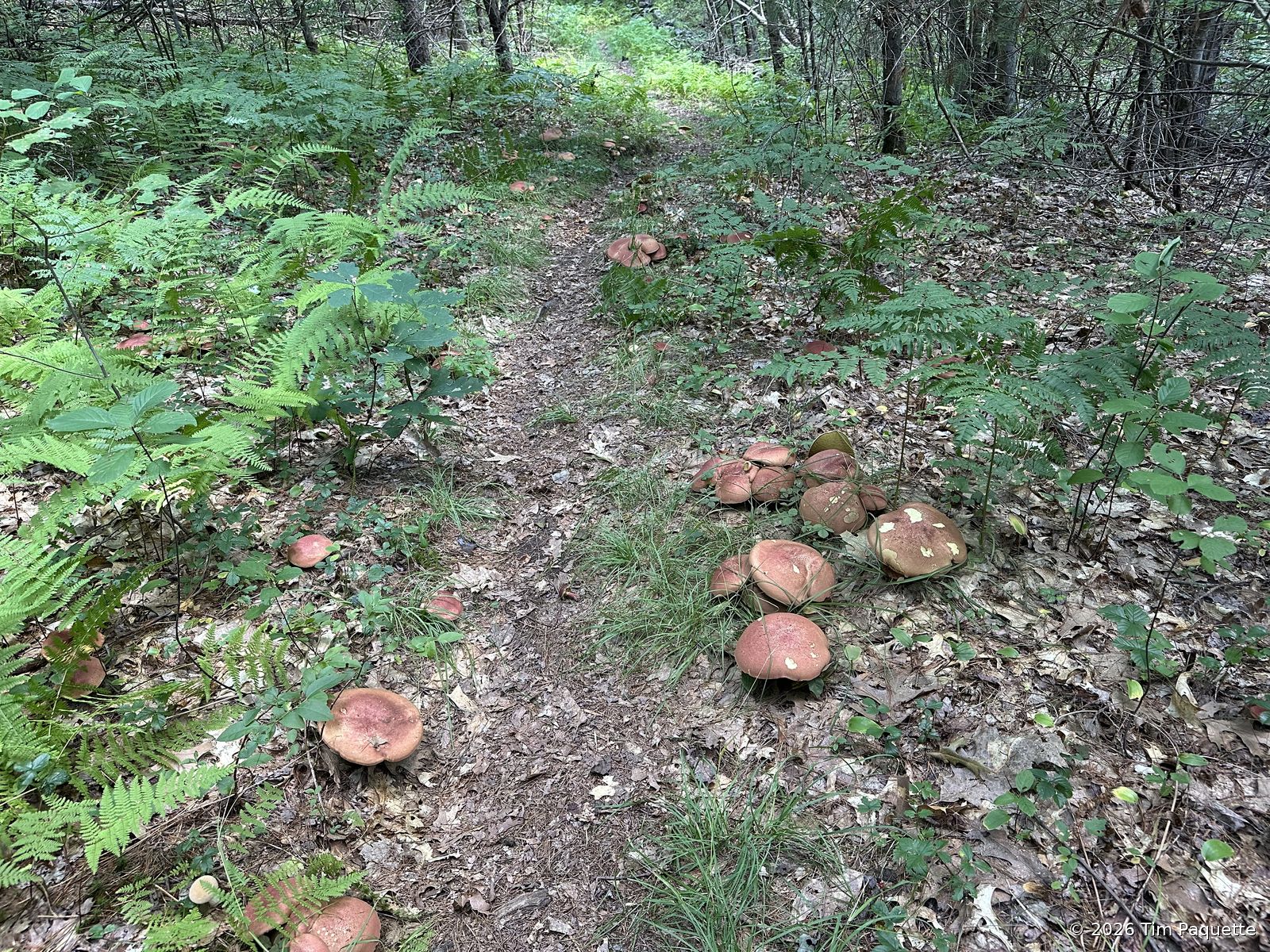 #4975
#4975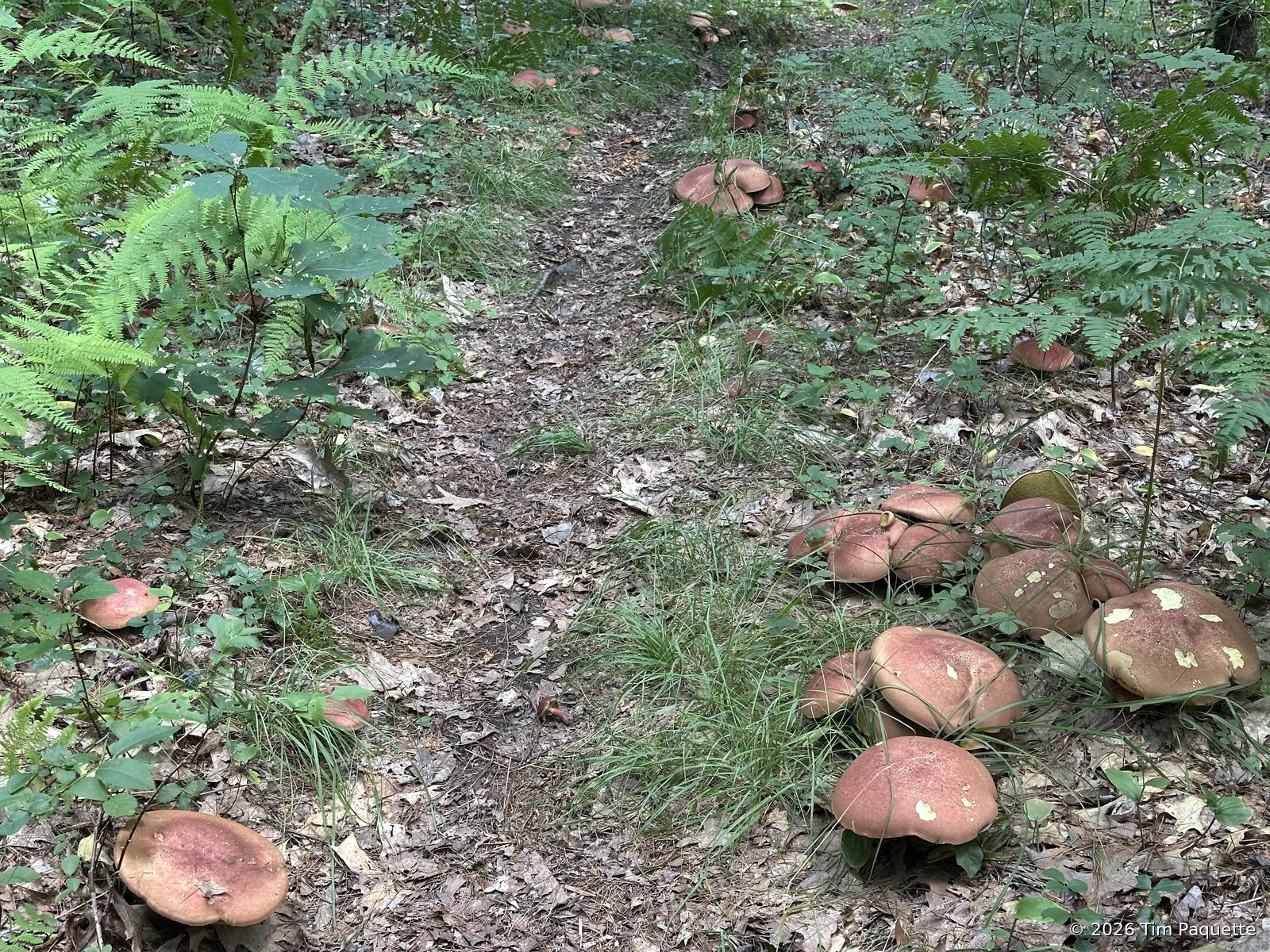 #4976
#4976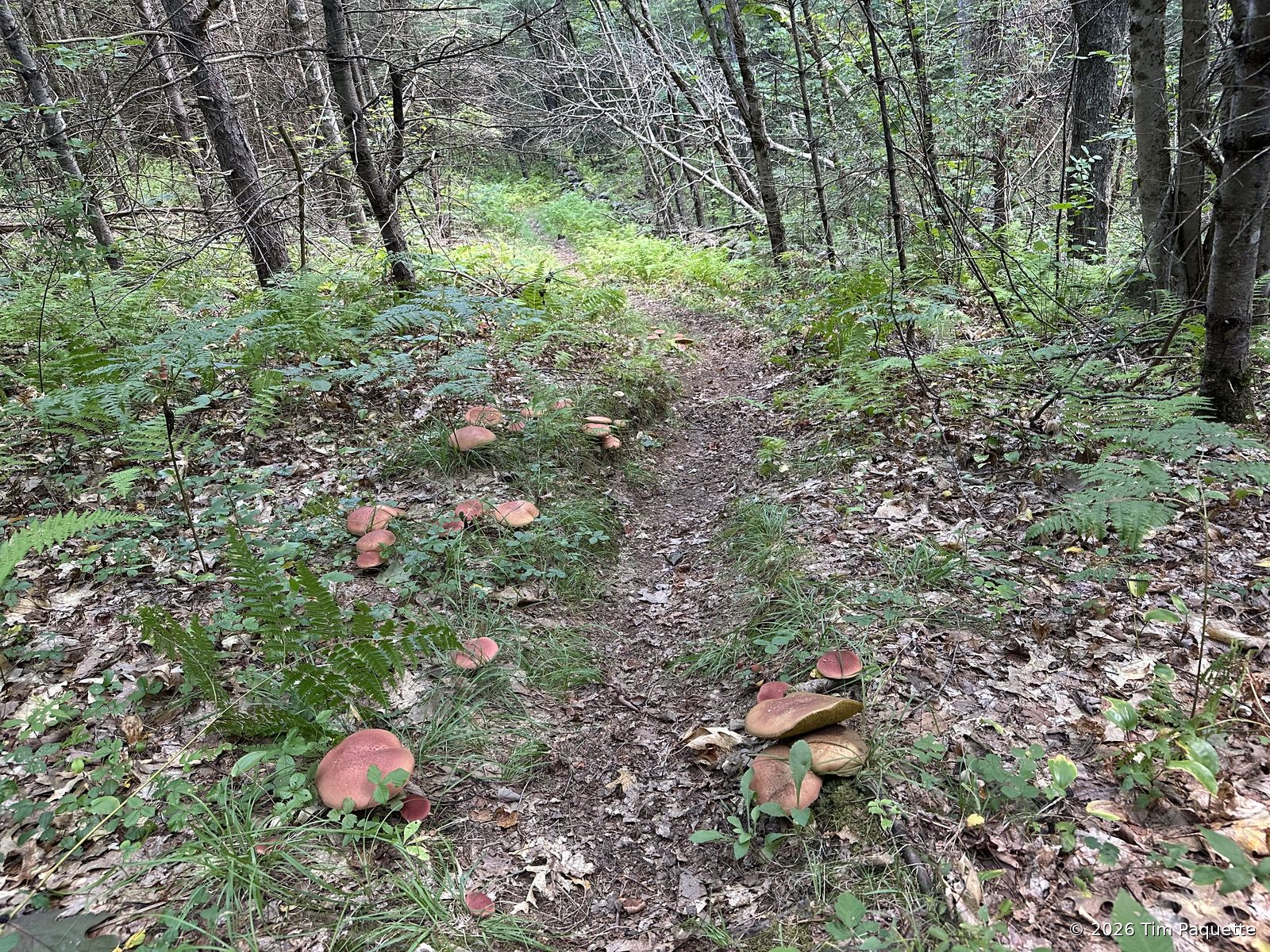 #4977
#4977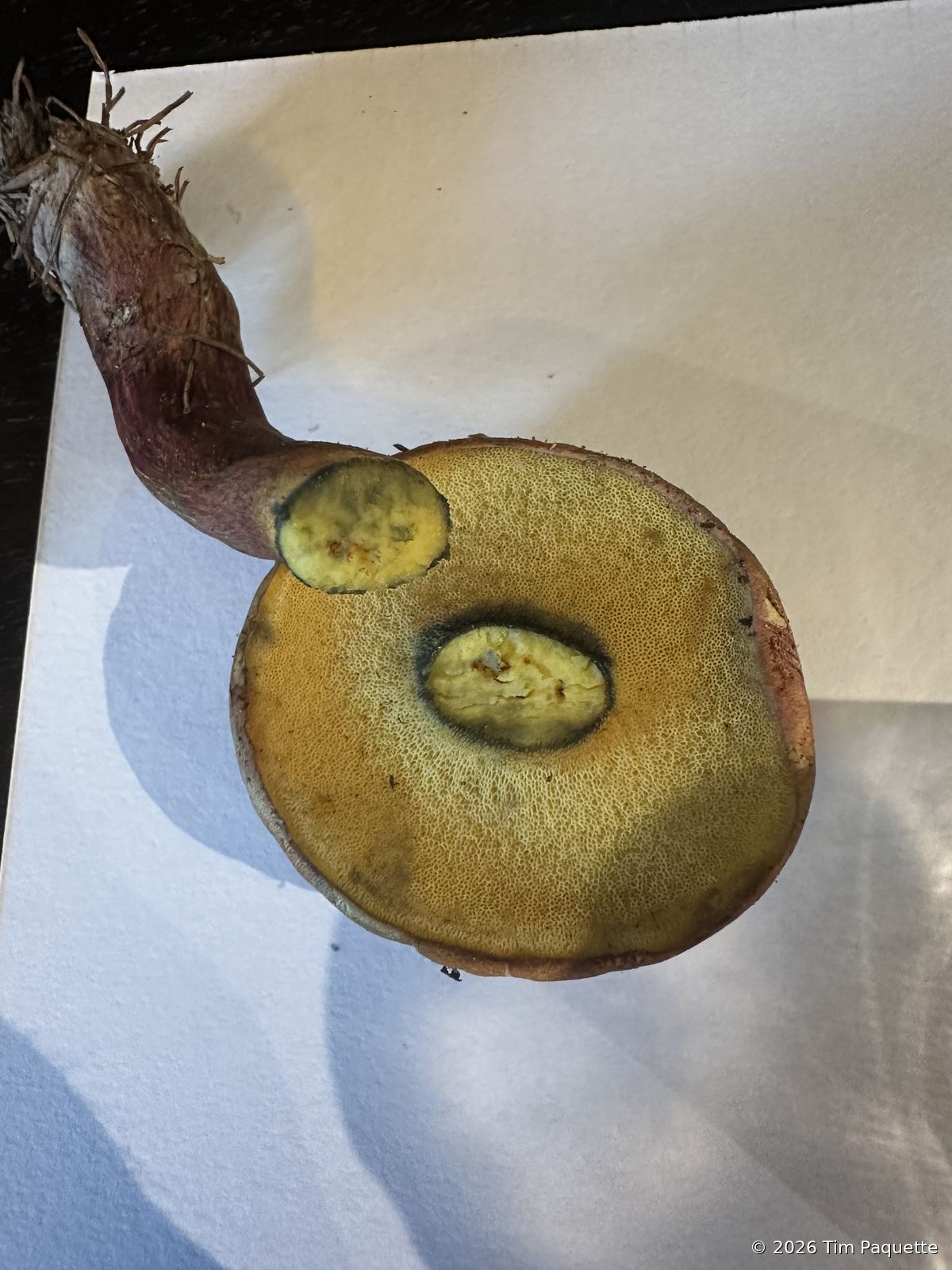 #5022
#5022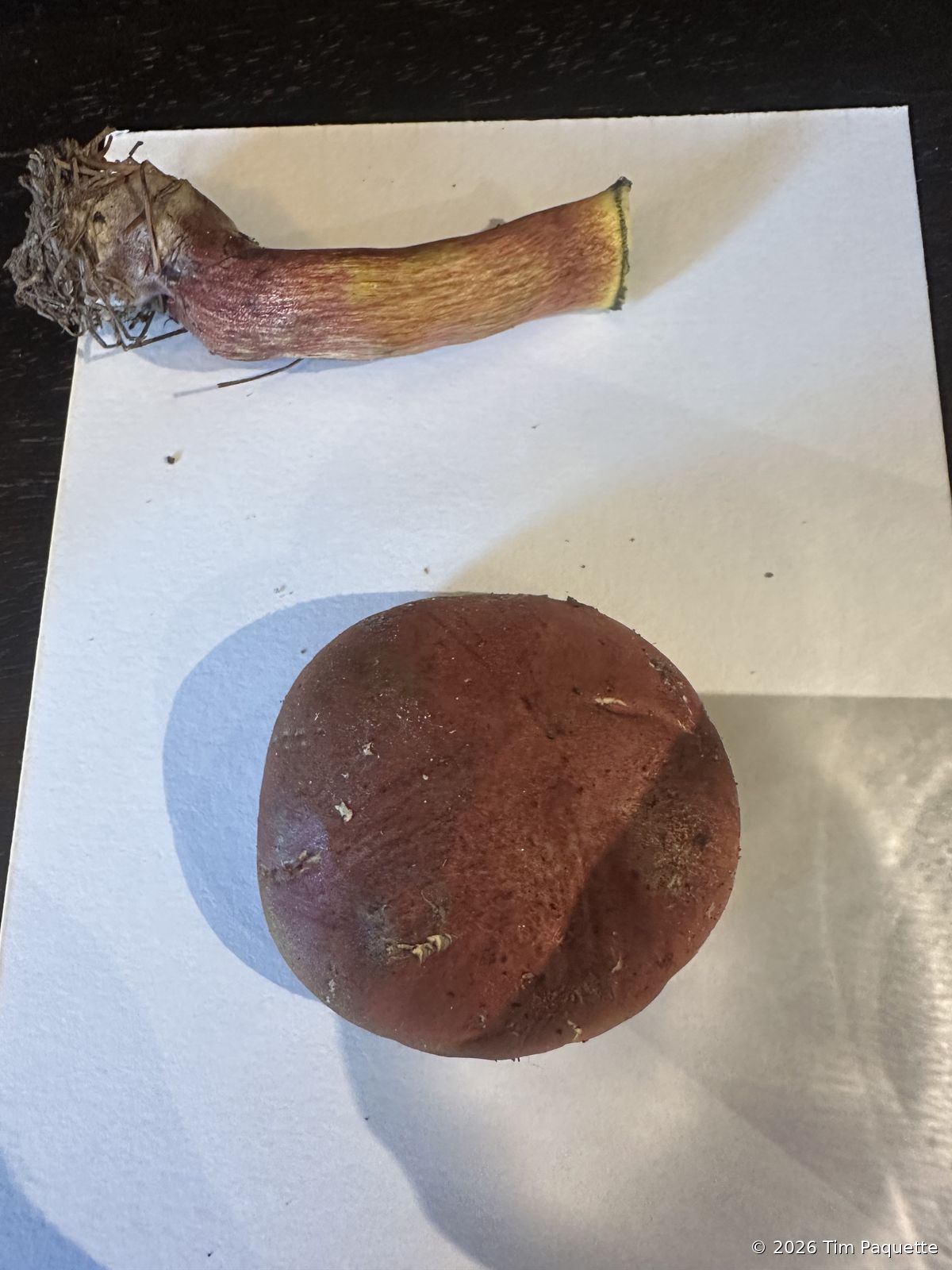 #5023
#5023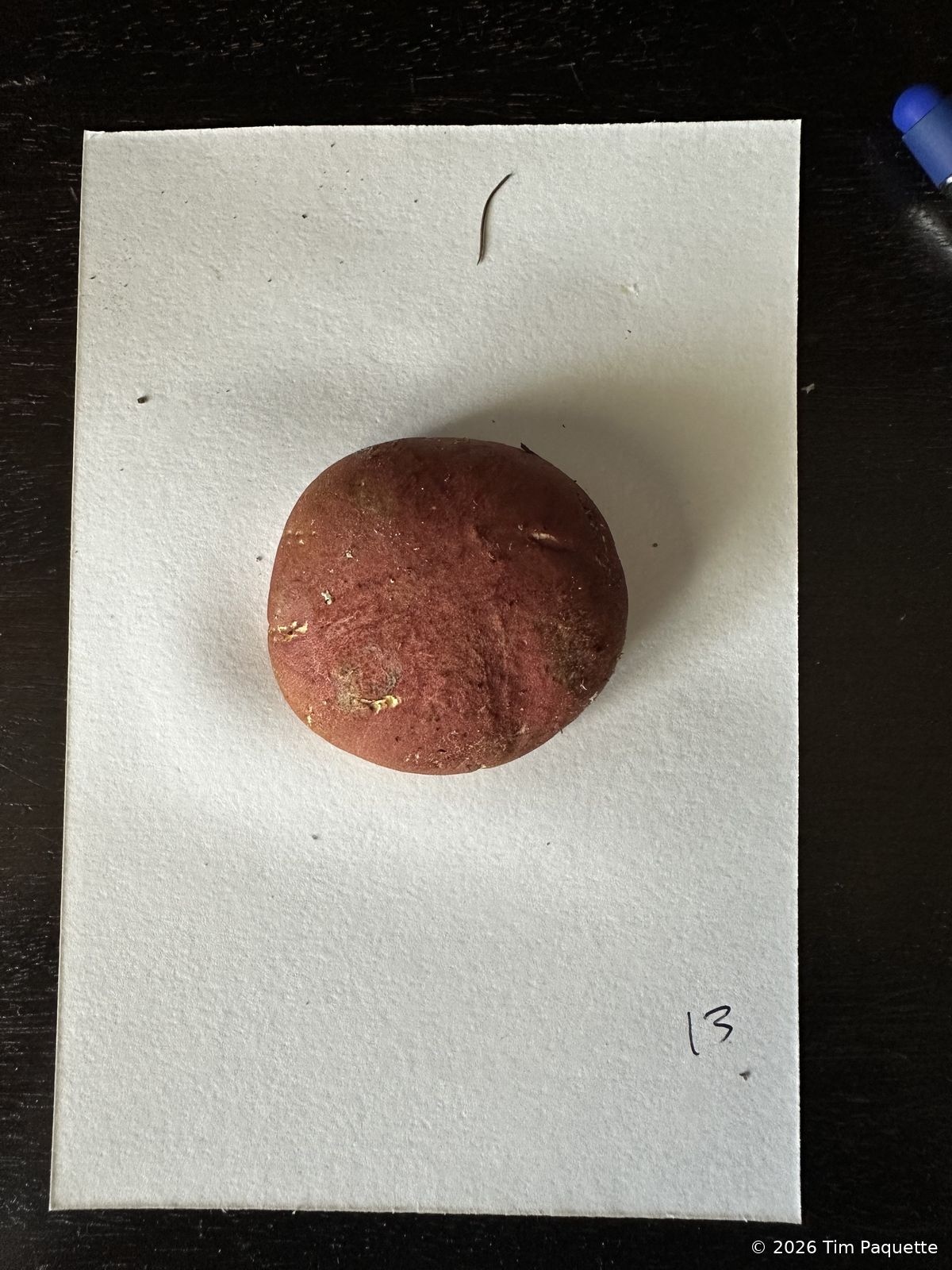 #5156
#5156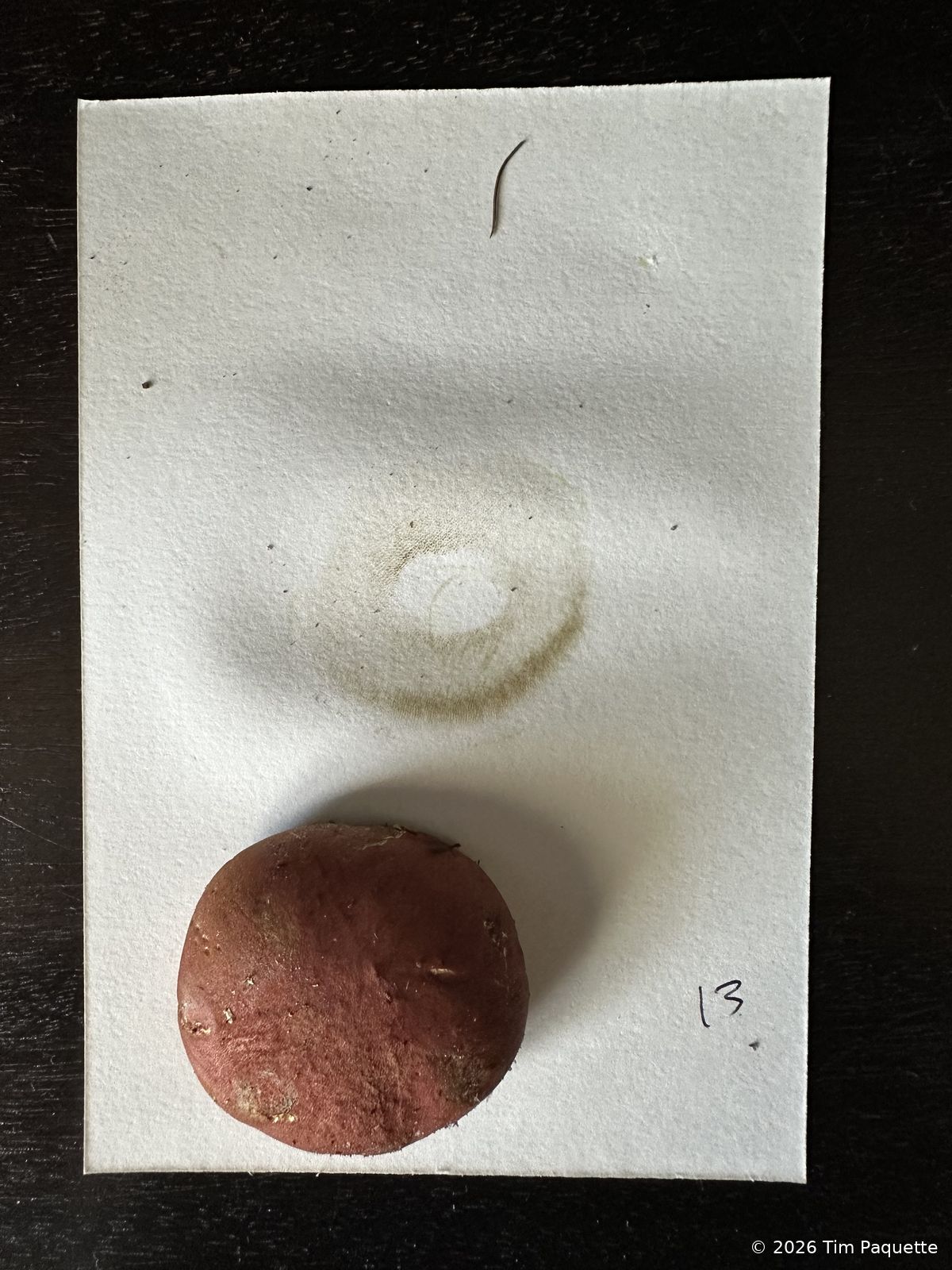 #5157
#5157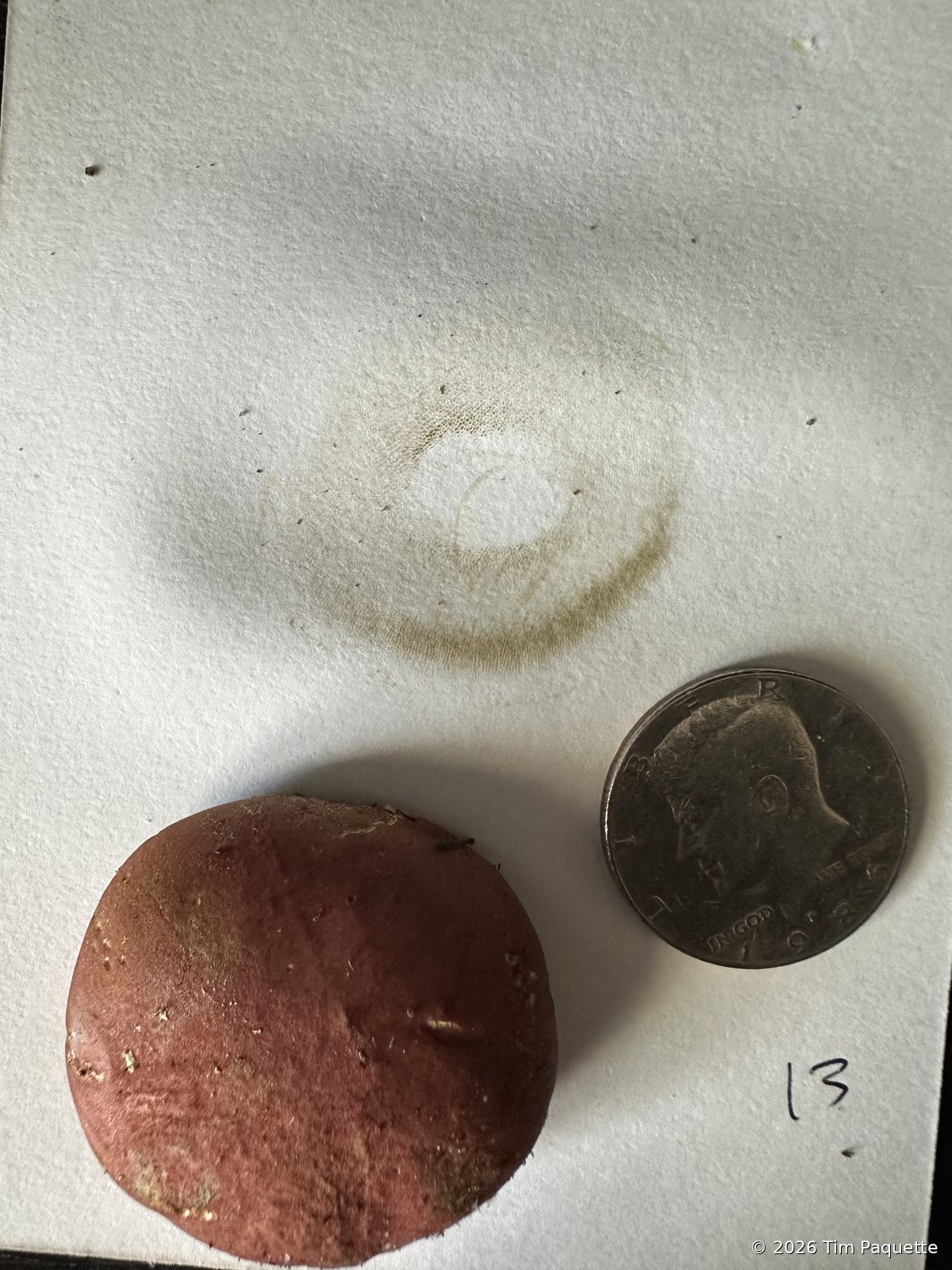 #5158
#5158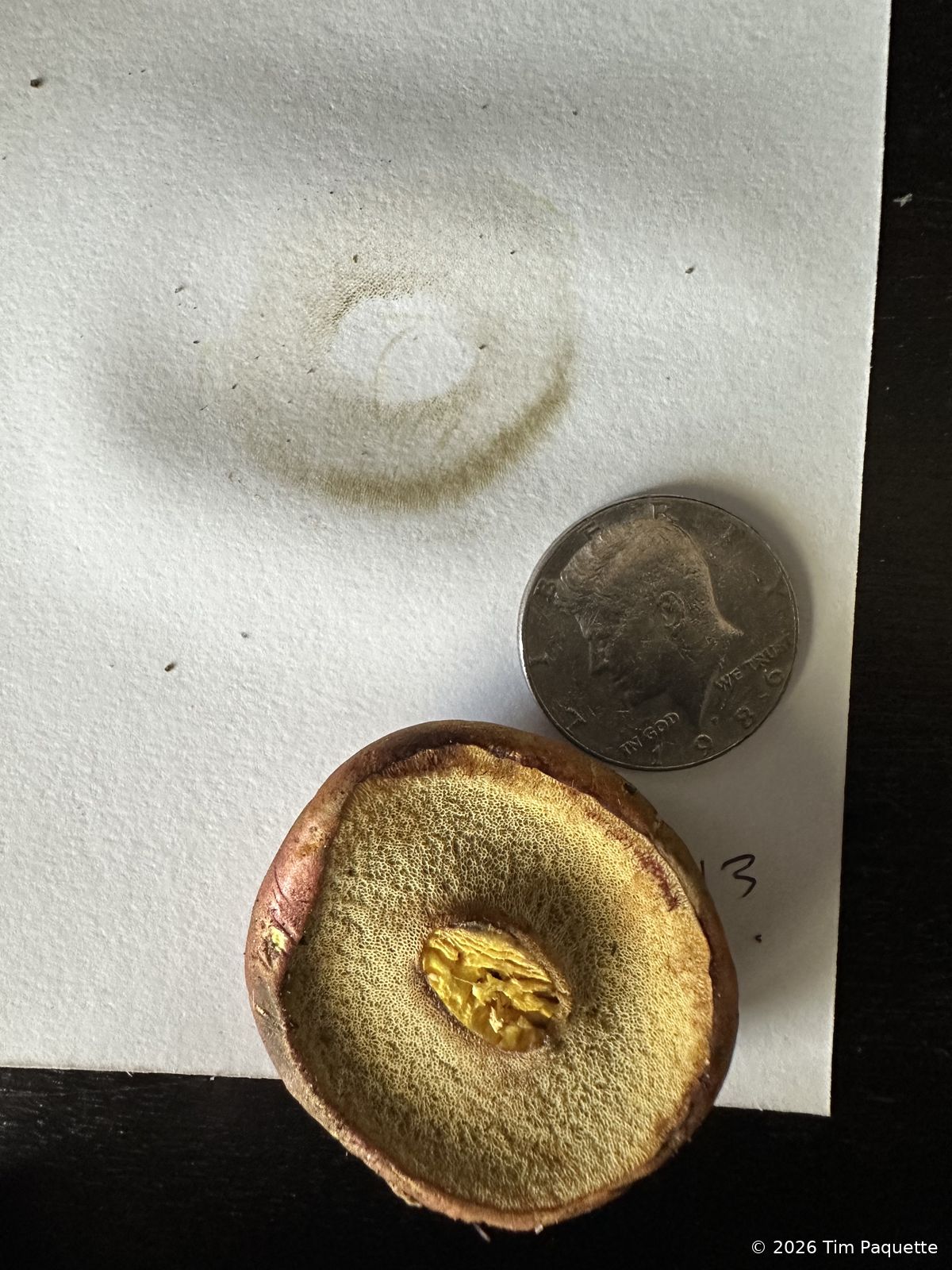 #5159
#5159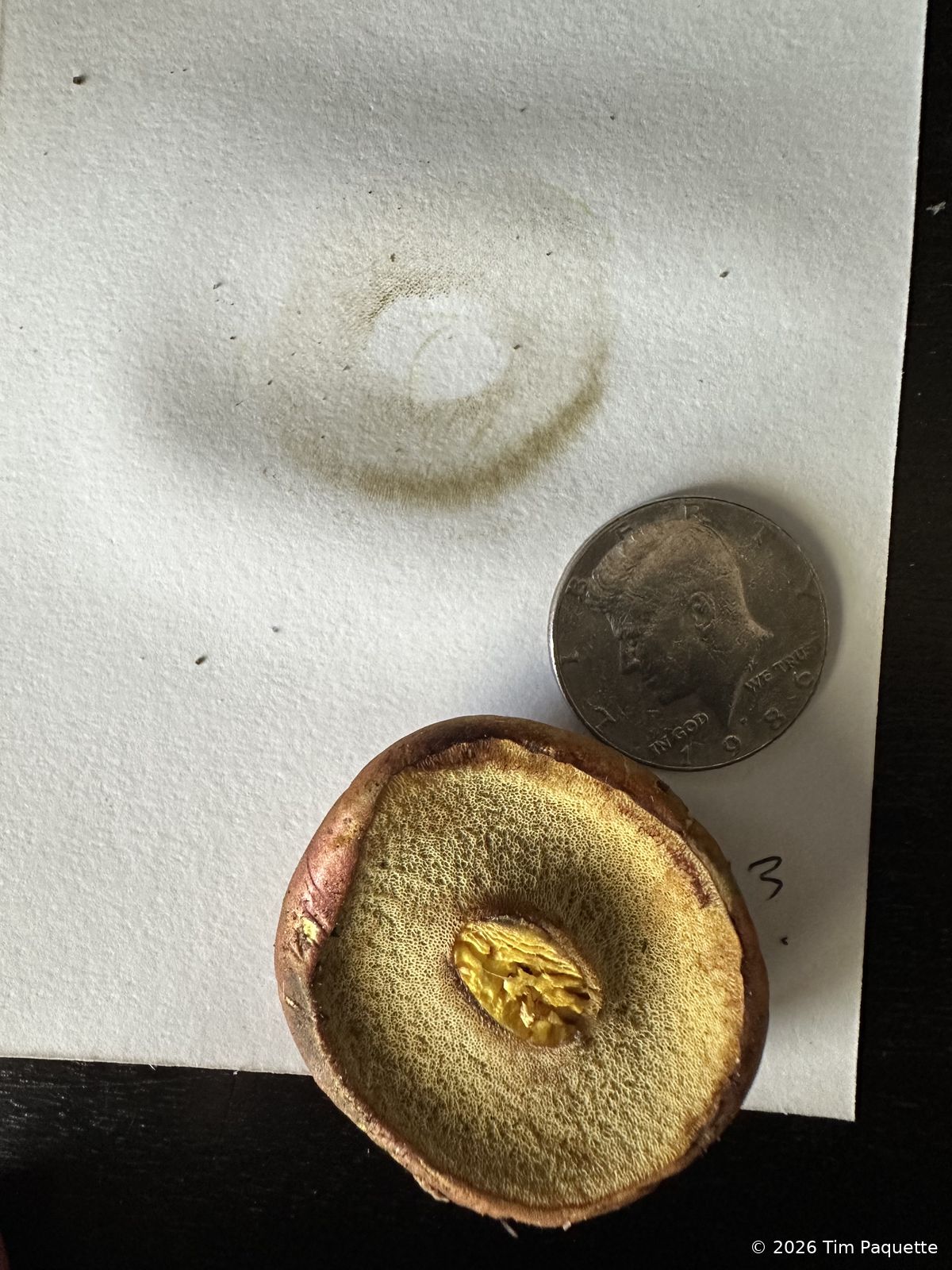 #5160
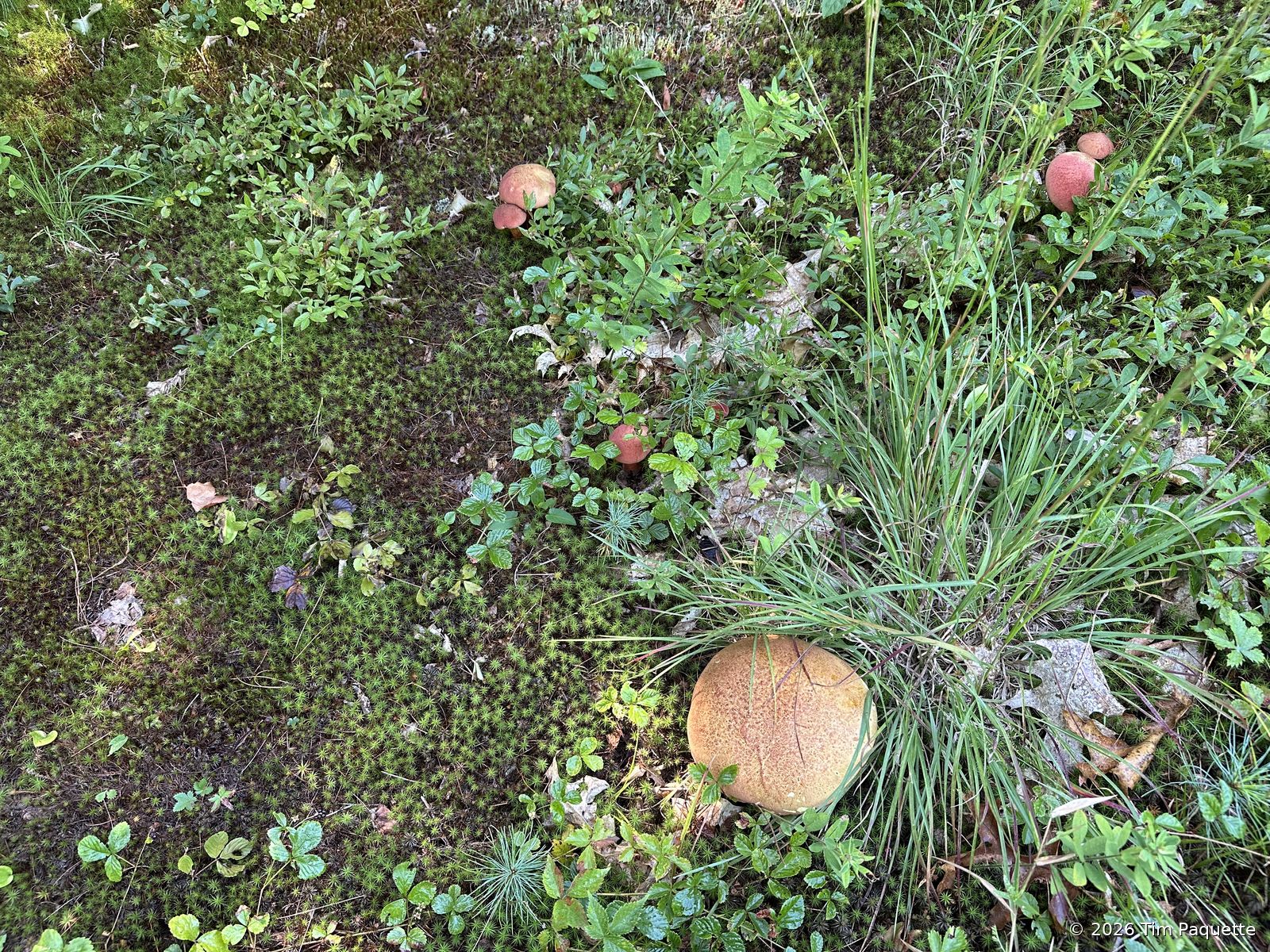
#5160Angles captured. Thirty-three field frames spanning the whole morning, plus the spore print. The run from #4961 covers roughly twenty feet of trail in ninety-five seconds.
Morphology
Cap 3–10 cm depending on age. Deep red when small, the red diffusing and breaking up as the fruitbody expands until mature caps are rose-brown to dull pink over a paler ground. Pore surface yellow, becoming olive-yellow with age. Stipe stout, pale below the cap, often flushed pink toward the base.
Habitat & substrate
Sandy and gravelly trail edges, pine and mixed hardwood, across the entire length of the walk rather than in one patch.
Lookalikes & what rules them out
The colour change with age is the diagnostic observation here, and it is not something a single photograph can show. Small deep-red buttons and large dull-pink caps read as two different species until they are seen in sequence. A yellow pore surface under a red-then-fading cap places this in the boletes with confidence; the species is another matter.
To confirm this identification
Whether the pores bruise blue on handling. Several red-and-yellow boletes are edible and several cause serious gastrointestinal poisoning, and bruising is the first sorting character.
Notes
The most abundant fungus on the walk by a wide margin, present from the first hundred metres to the last. Spore print taken (card 13). Abundance on this scale is itself data: it says more about the ground and the season than any single fruitbody does, which is why this is recorded as one entry rather than a dozen.
Found at Coldbrook Rd area, Hubbardston, MA on Friday, 14 August 2026 at 10:03. See the full walk for that day's weather and everything else recorded.
Others in this group
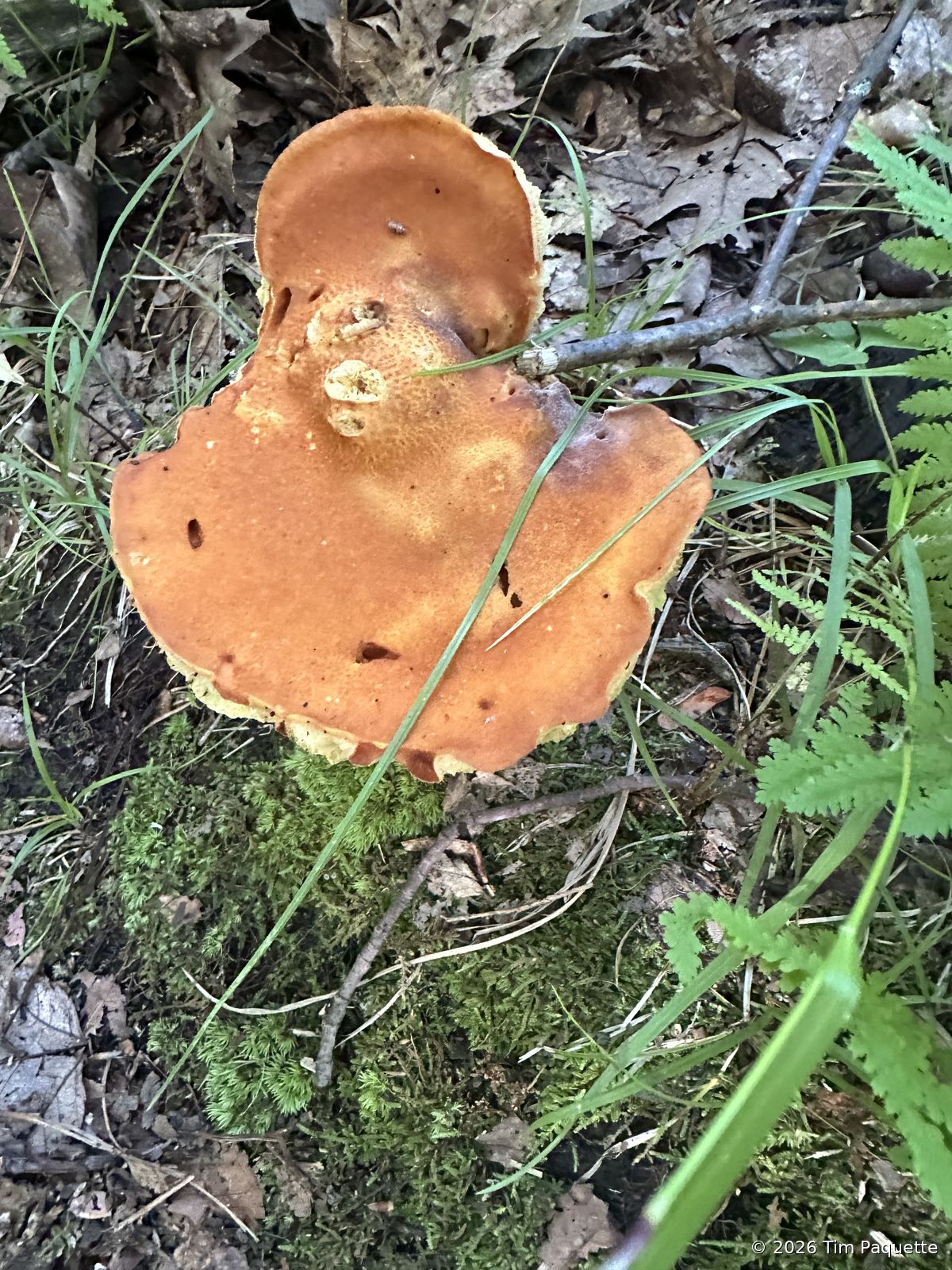 Large orange-brown bolete, uprootedBoletaceae · Jul 31Low–moderate
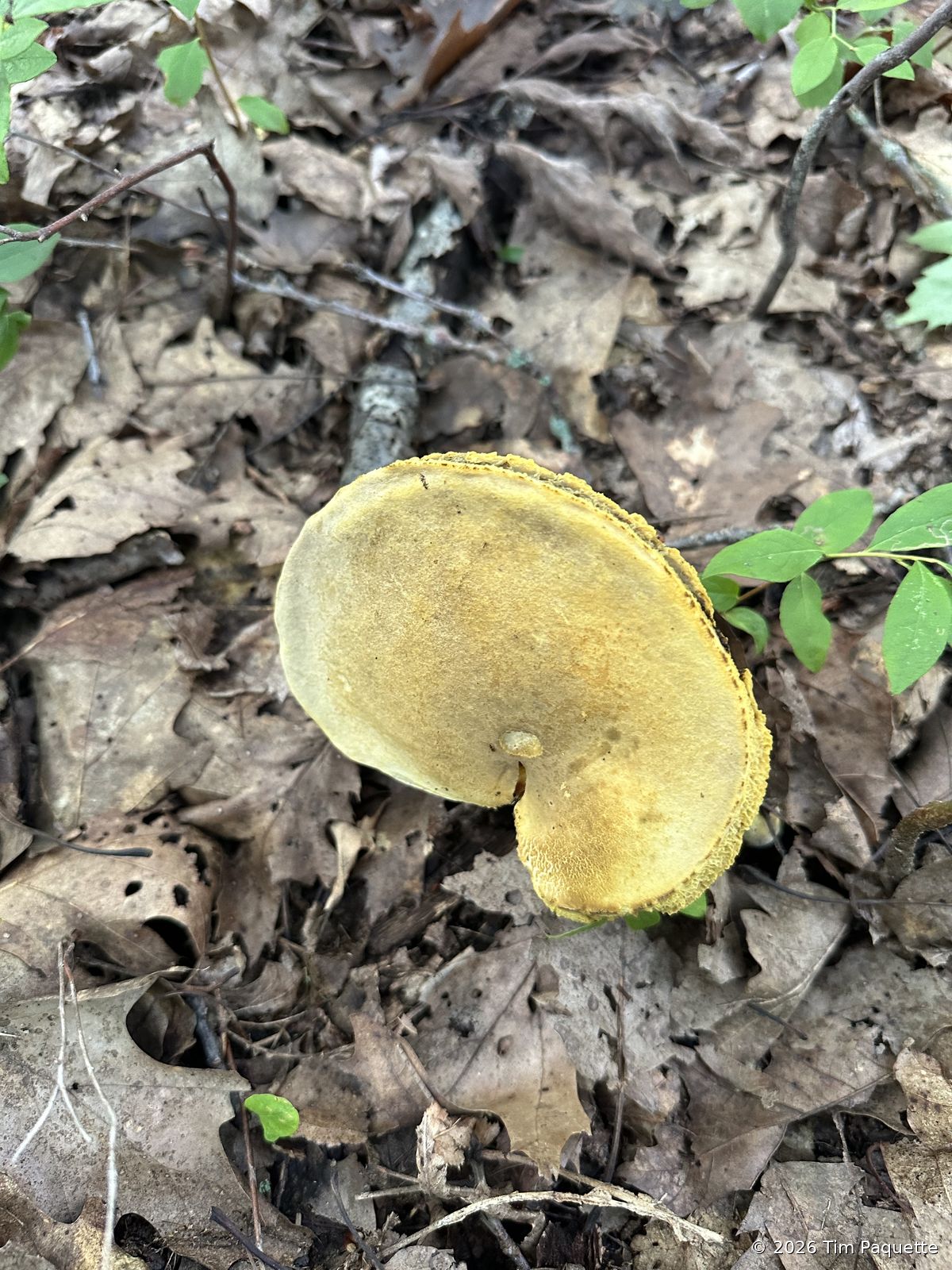 Bolete with boletinoid poresBoletinellus, Suillus or Phylloporus · Jul 31Moderate
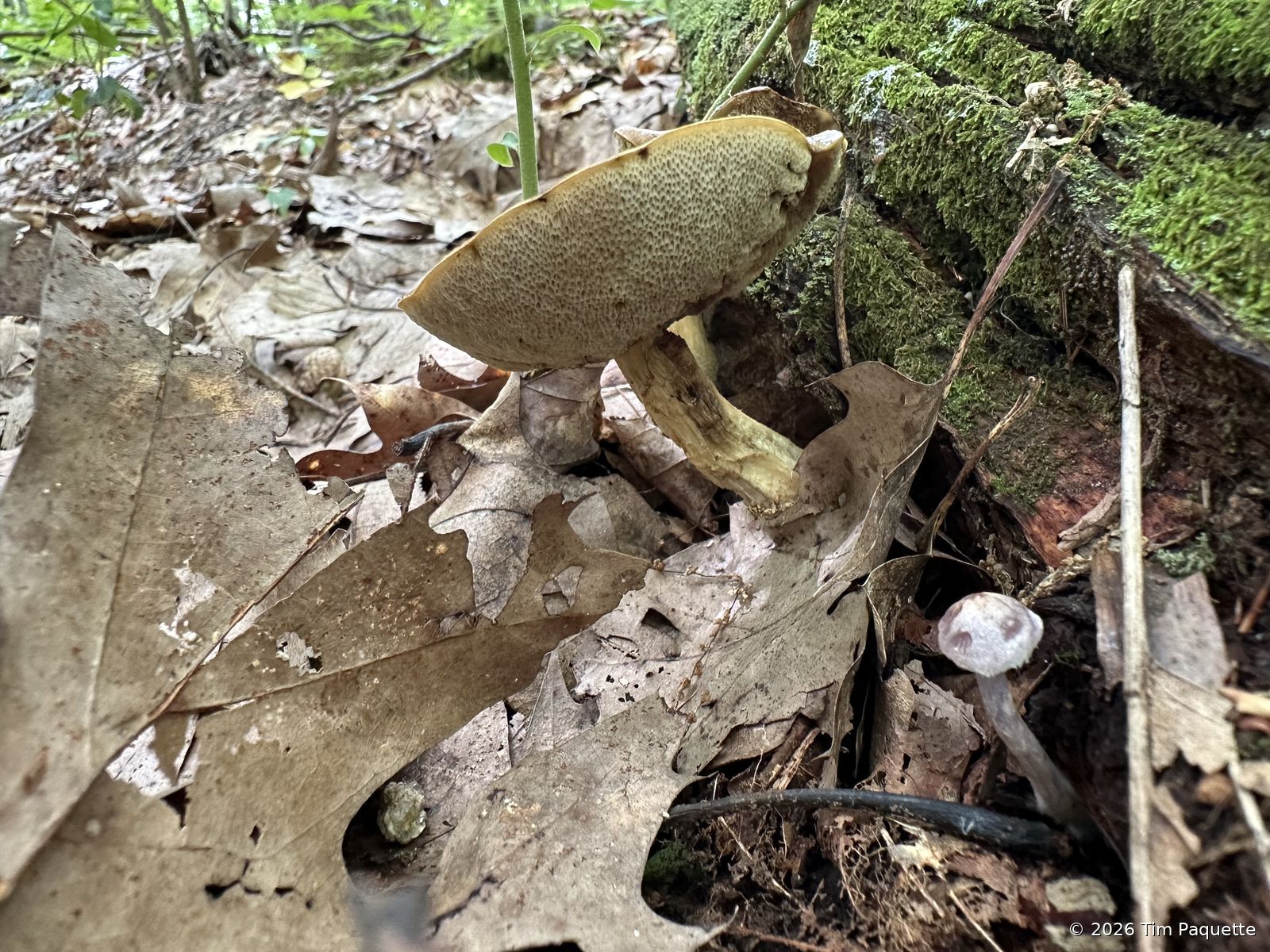 Olive-brown boleteBoletaceae · Aug 6Low–moderate
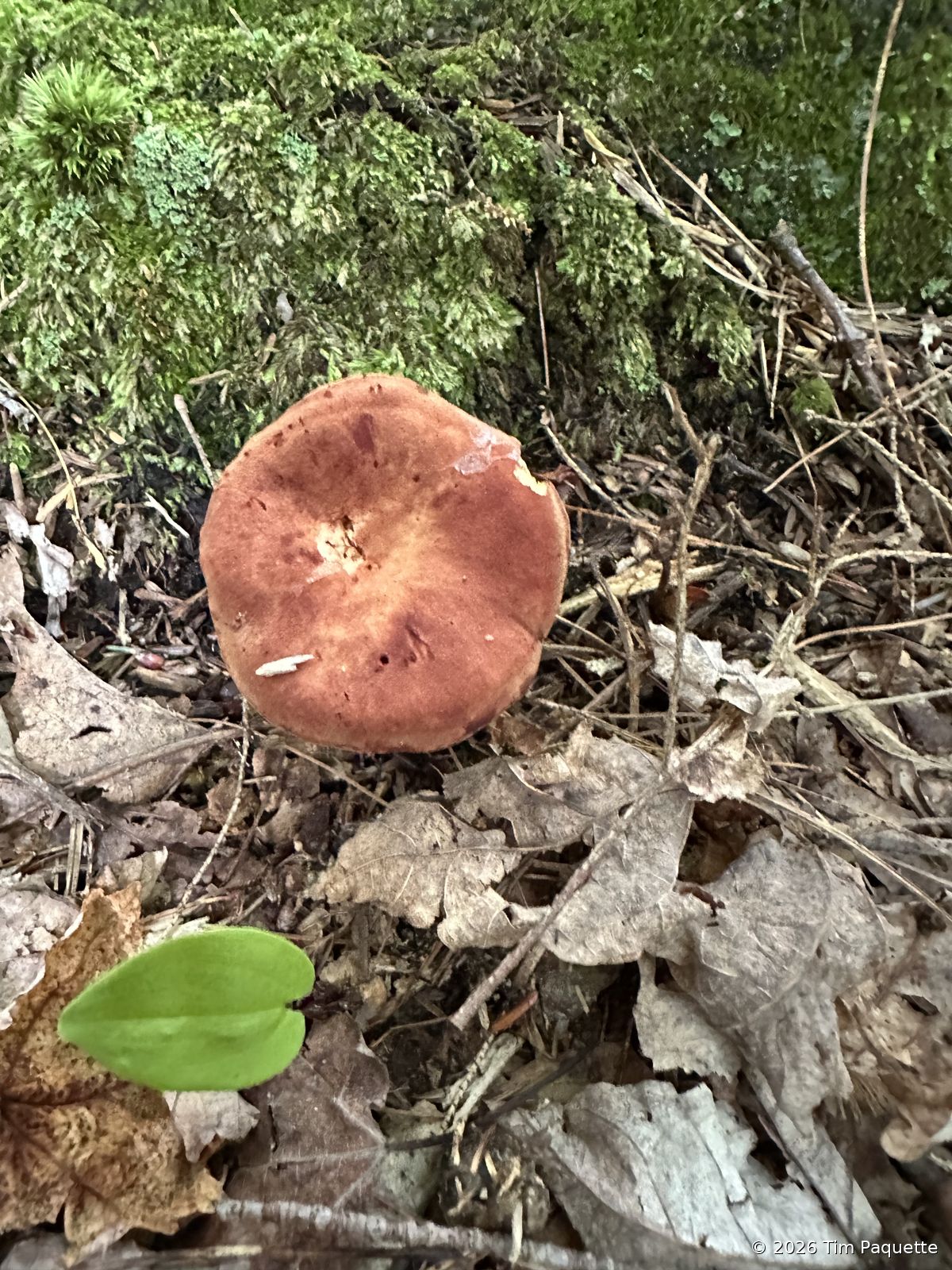 Rosy cap with golden gill-platescf. Phylloporus · Aug 6Moderate
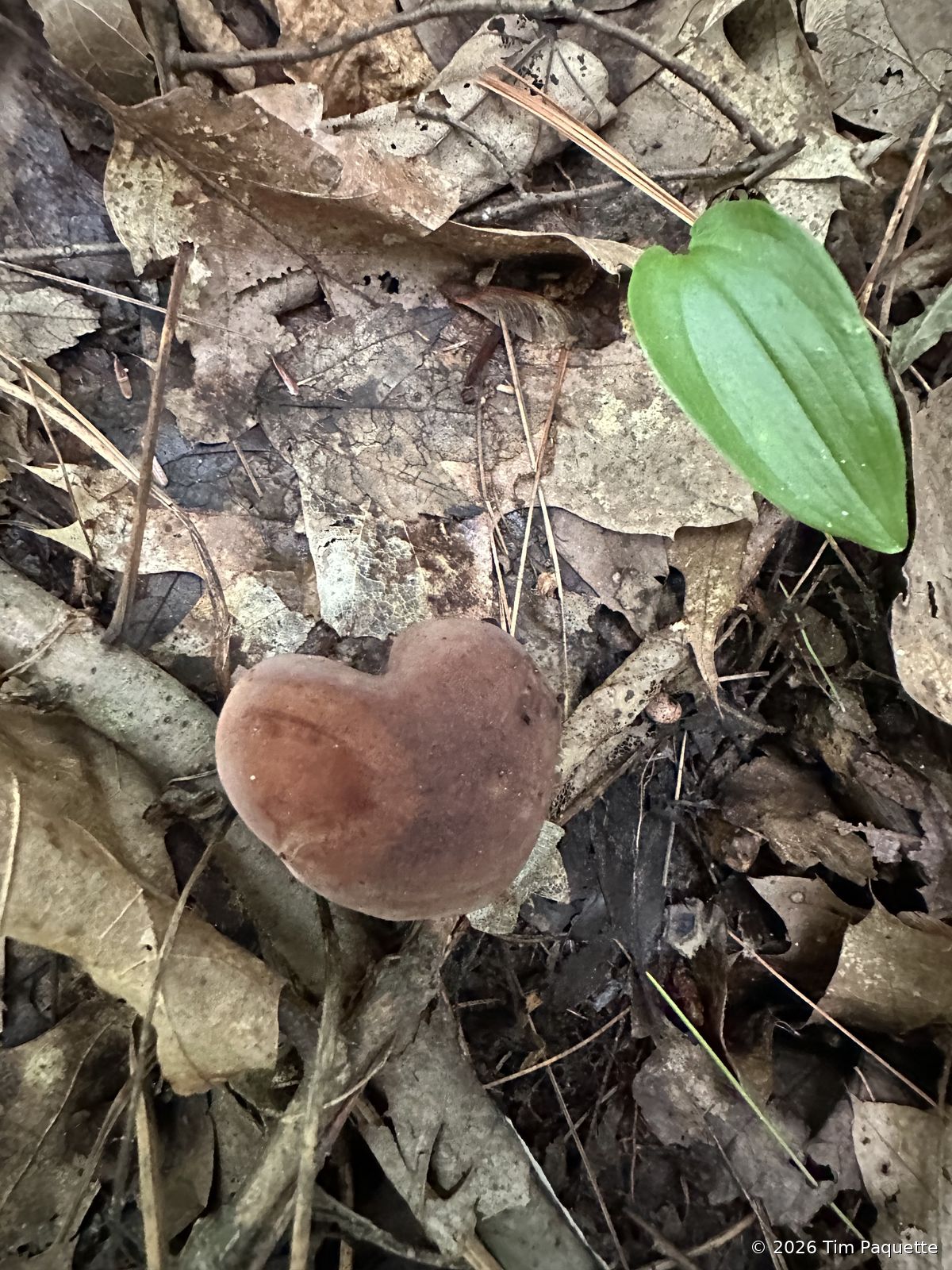 Dark chestnut boleteBoletaceae · Aug 6Moderate
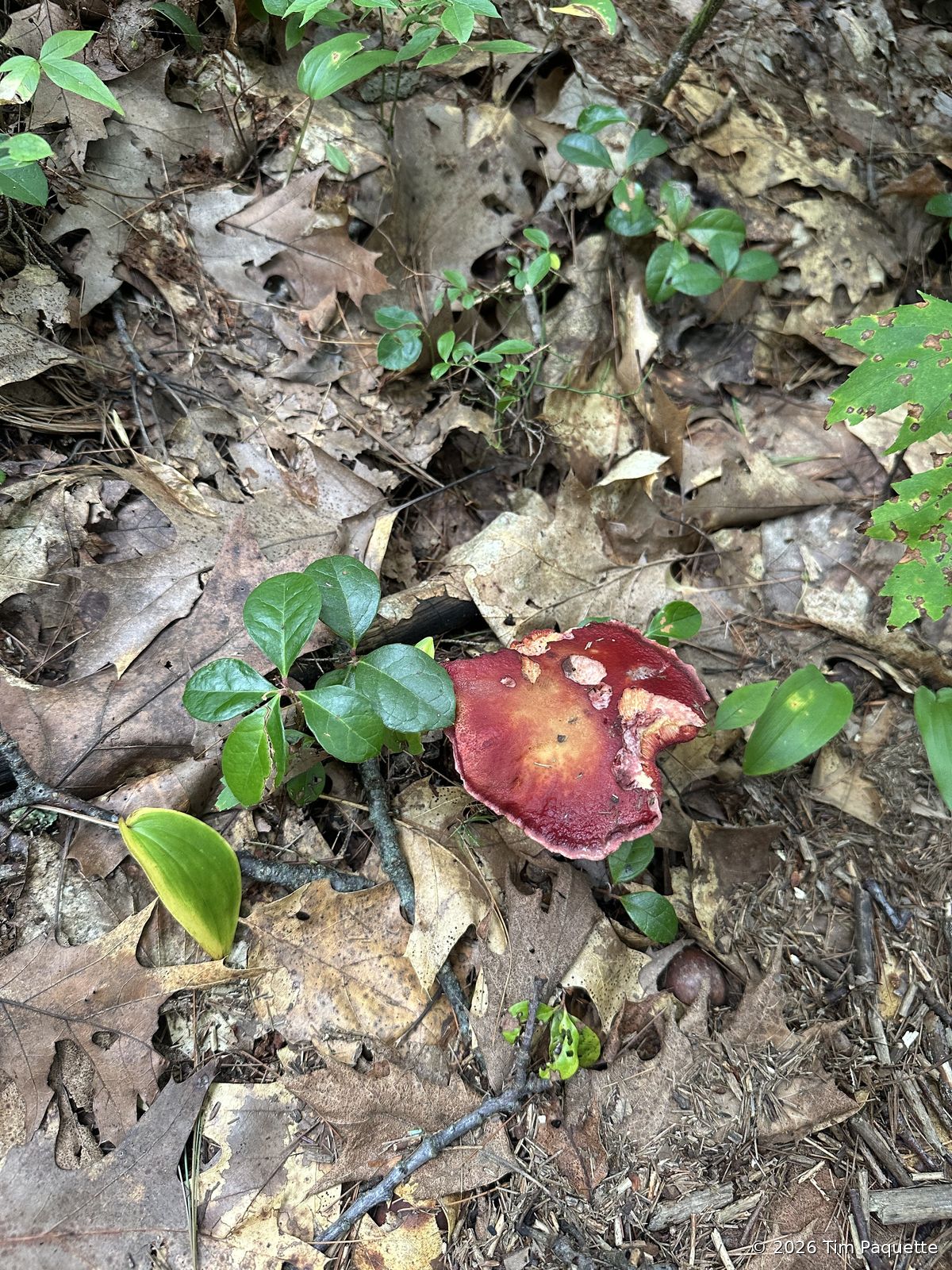 Wine-red boleteBoletaceae · Aug 6Moderate
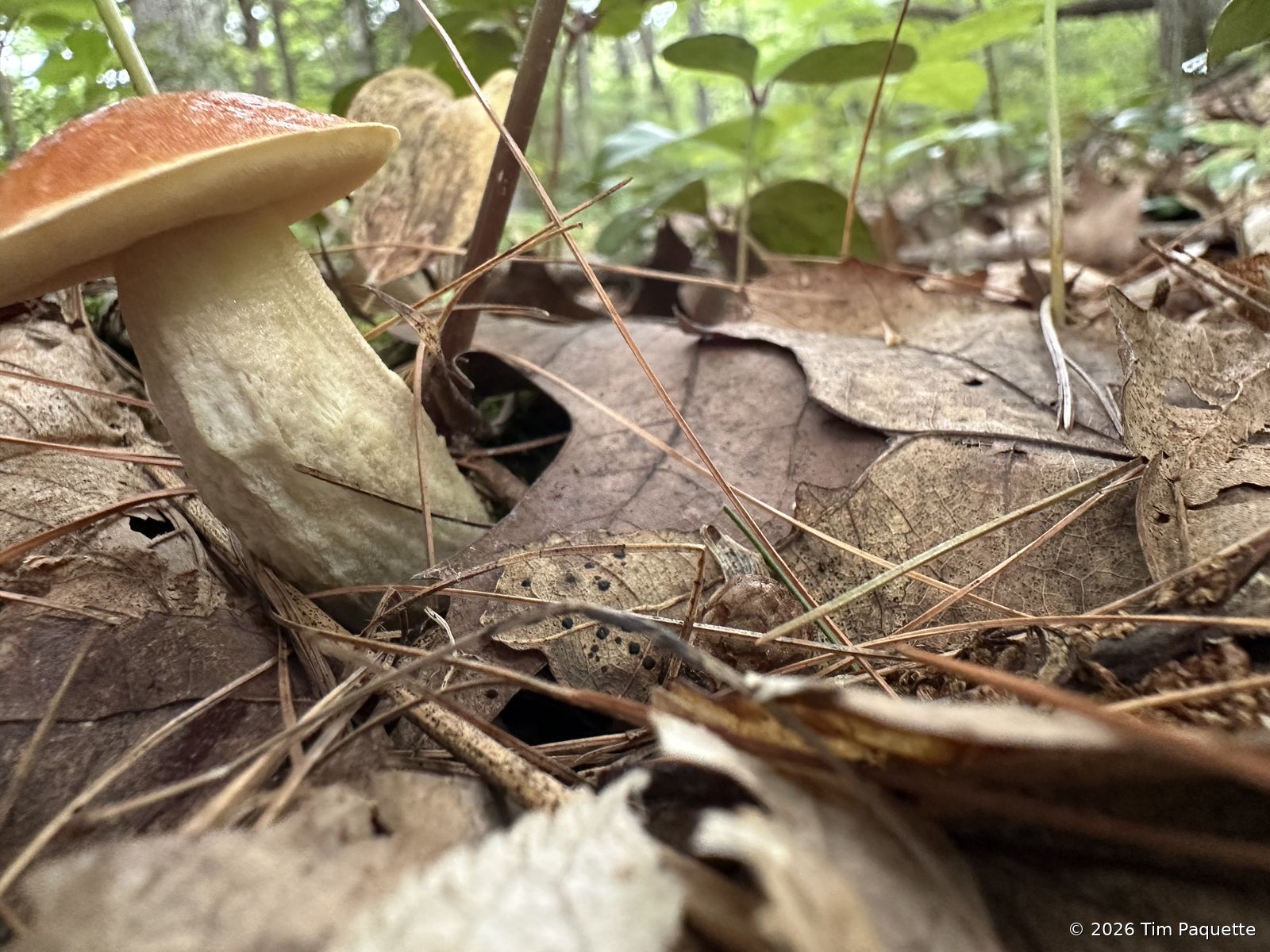 Orange-capped boletesBoletaceae · Aug 6Low–moderate
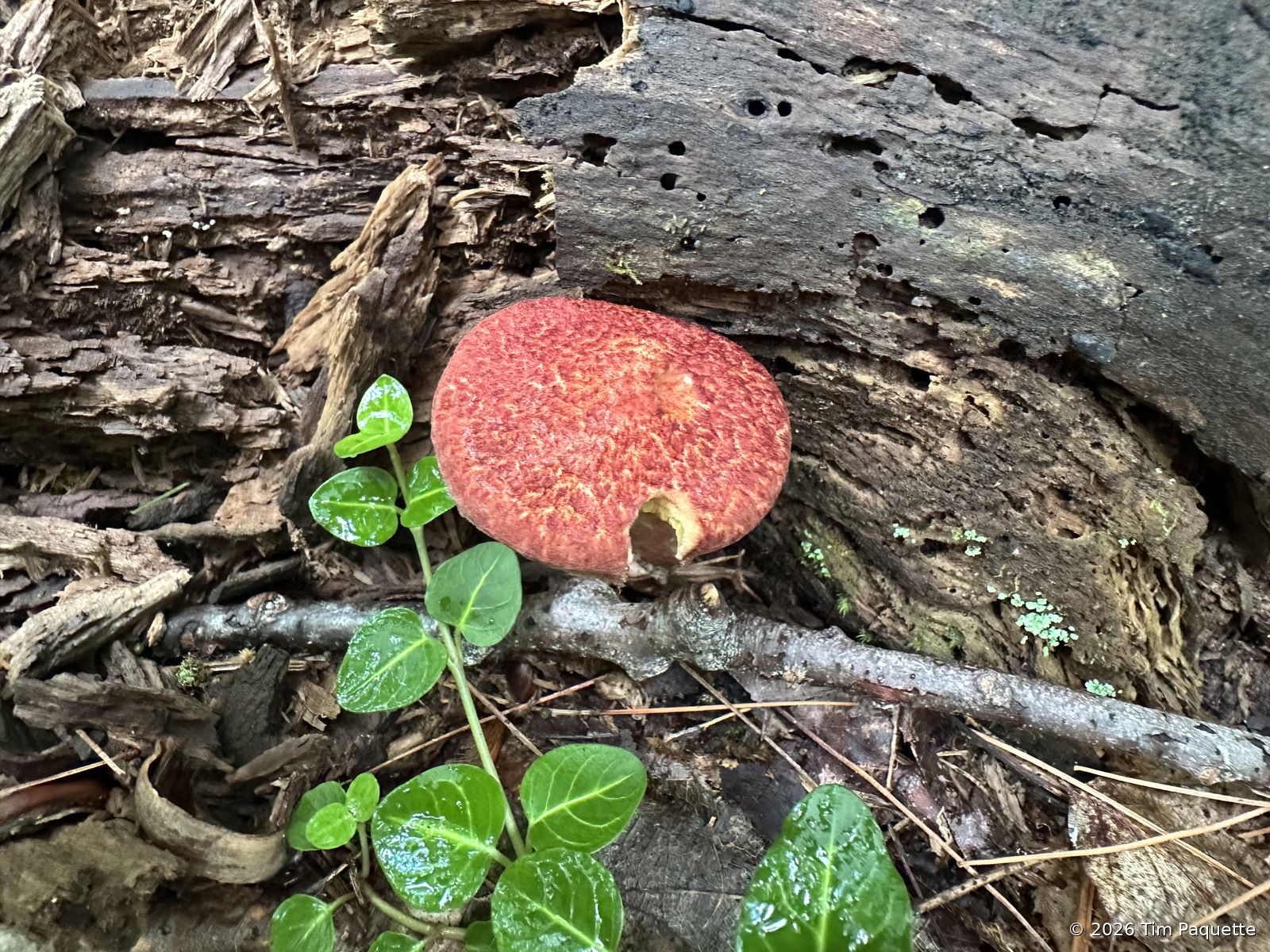 Red-capped bolete with yellow poresBoletaceae · Aug 8Moderate